Most homes in Pakistan have four plain walls painted the same color. It looks clean, but it can also feel a bit flat. Accent wall ideas in Pakistan solve this problem with one simple change: pick a single wall and give it a different color, texture, or material.
You don’t need to touch the floor, the ceiling, or your furniture. One wall does the job. It can be behind your bed, behind the sofa in your drawing room, or behind the dining table.
This guide walks you through the types of accent walls that suit Pakistani homes, the colors that work best with our sunlight, and which wall in each room to choose. We’ll also cover the mistakes people often make, so you can avoid them.
What Is an Accent Wall and Why Pakistani Homes Need One
An accent wall is one wall in a room styled differently from the rest. It might be a bold paint color, a wood panel, a textured finish, or a printed wallpaper. The other three walls usually stay plain, so the accent wall stands out.
Your eyes naturally look for interest when you walk into a room. Four identical walls give your eyes nothing to land on. One well-planned accent wall gives the room a clear focus point. It makes the rest of the space feel more finished.
This matters even more in newly built homes. A newly constructed house can feel bare and unfinished, even with good furniture in place. A single accent wall adds warmth and personality without a full renovation.
If you’re planning a bigger overhaul, it also helps to look at interior design as a whole, so your accent wall matches the rest of your home.
Accent Wall Types That Work Best in Pakistan
There are five main types of accent walls you’ll see in Pakistani homes today. Each one suits a different budget, room, and style.
Here’s what to know about each.
Painted Accent Walls
Paint is the easiest and cheapest way to start. You just choose one wall and paint it a different shade from the rest of the room. This works in bedrooms, drawing rooms, and studies.
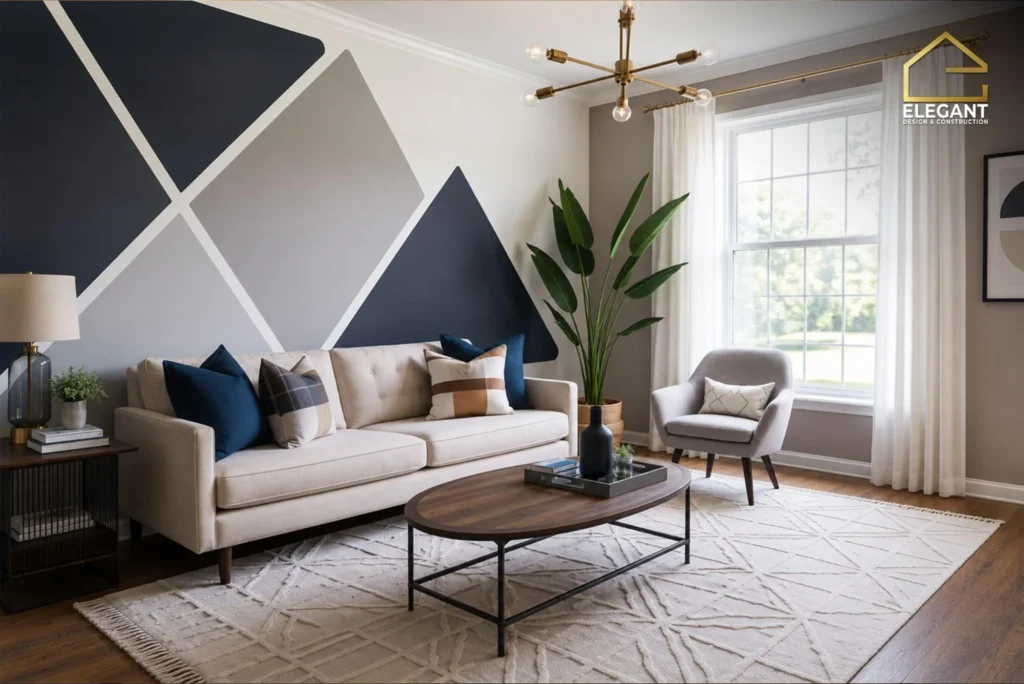
You can keep it simple with one bold color, or add a pattern using painter’s tape, such as stripes or geometric shapes. A local painter can do this in a day or two, and you can always repaint it later if you change your mind.
Wood Slat & Fluted Panels
Wood slat walls are one of the biggest trends going into 2026. Thin vertical wood strips are fixed to the wall, often behind a bed or a TV unit in the lounge. They add texture and warmth that paint alone can’t give.
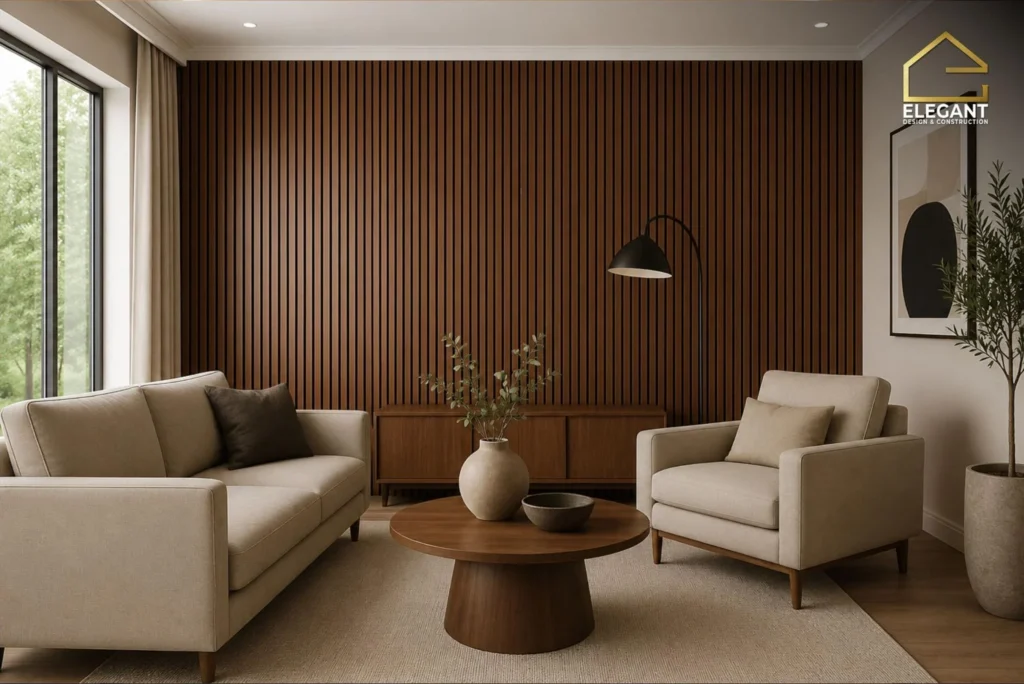
Fluted panels work the same way but with rounded grooves instead of flat slats. Both hide wall imperfections well and give a room a more finished, architectural look. They’re commonly used behind TV units because they also help hide wiring.
PVC & 3D Wall Panels
PVC and 3D panels are practical options for Pakistani homes because they resist moisture and don’t need painting after installation. They come in flat, fluted, and 3D textured designs, including honeycomb and wave patterns.
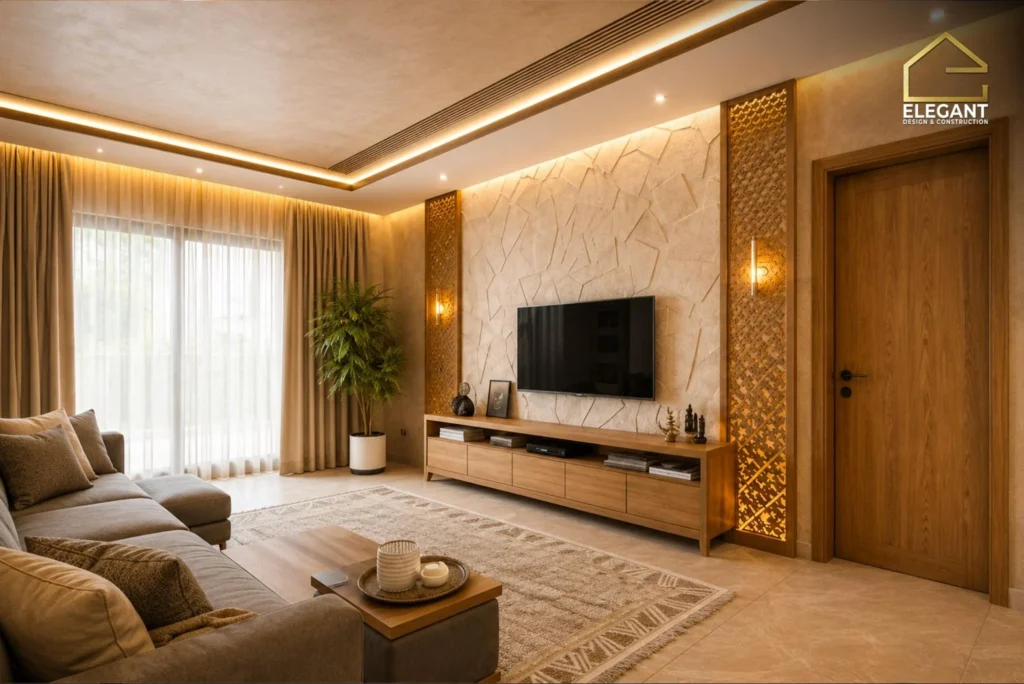
These panels are popular in TV lounges and bedrooms because they install quickly and last for years. If you rent your home or want an easy option that a local supplier can fit in a day, this is usually the simplest route.
Wallpaper Accent Walls
Wallpaper has made a strong comeback in Pakistani interiors. Floral, geometric, and textured designs are widely available now, and peel-and-stick versions mean you don’t need heavy glue or long-term commitment.
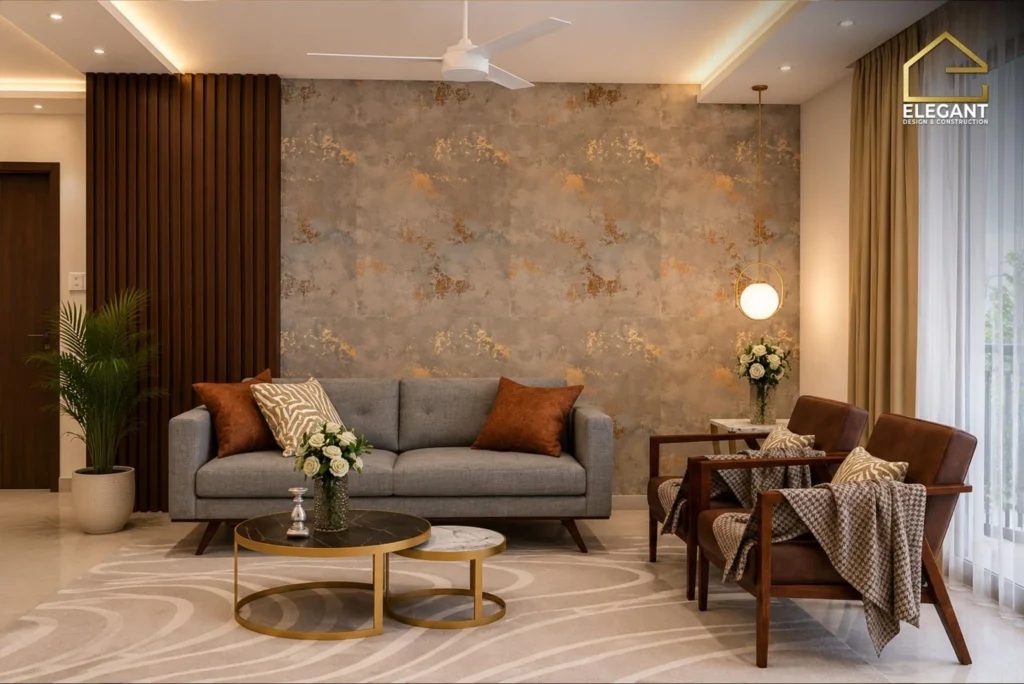
Wallpaper suits drawing rooms, entryways, and powder rooms where you want more detail than paint can give. It’s a good middle ground between the low cost of paint and the durability of panels.
Textured & Stone Accent Walls
For a more dramatic look, textured plaster, faux concrete, or natural stone cladding creates real depth on a wall. These finishes catch light differently throughout the day, which gives the wall a more premium feel.
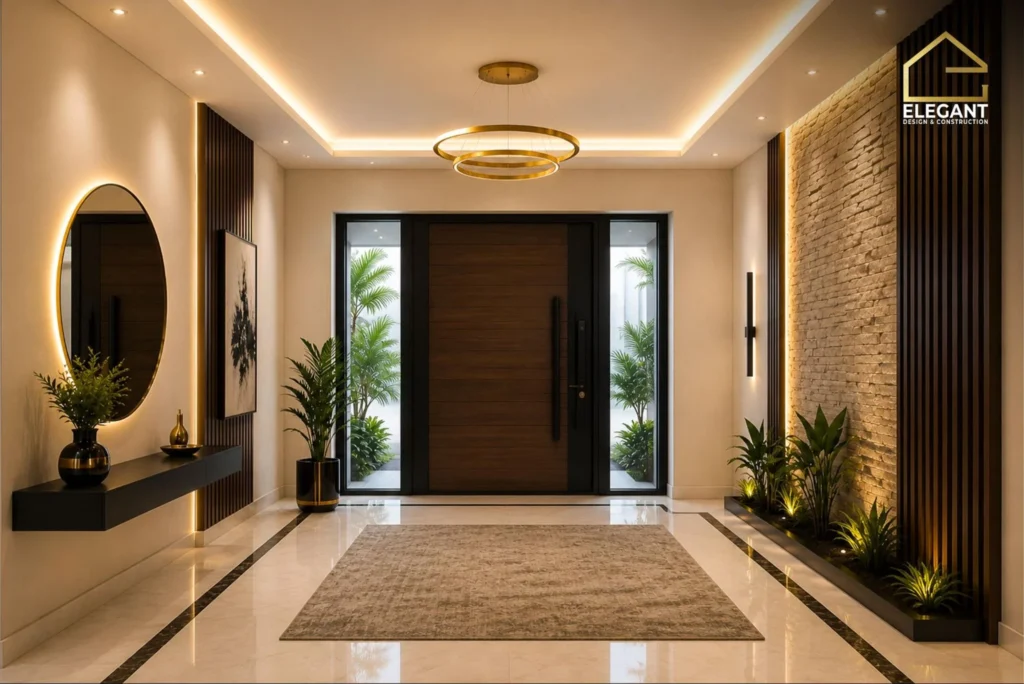
Stone-clad walls are especially popular behind TV units in Pakistani drawing rooms, where they balance the technology with something natural and solid. This option costs more than paint, but it also lasts the longest and needs almost no upkeep.
Accent Wall Colors for Pakistan’s Light and Climate
Pakistan gets strong, direct sunlight for most of the year, especially on south- and west-facing walls. This changes how paint colors actually look once they’re on your wall, so it helps to think about light before you pick a shade.
Bold and Dark Colors
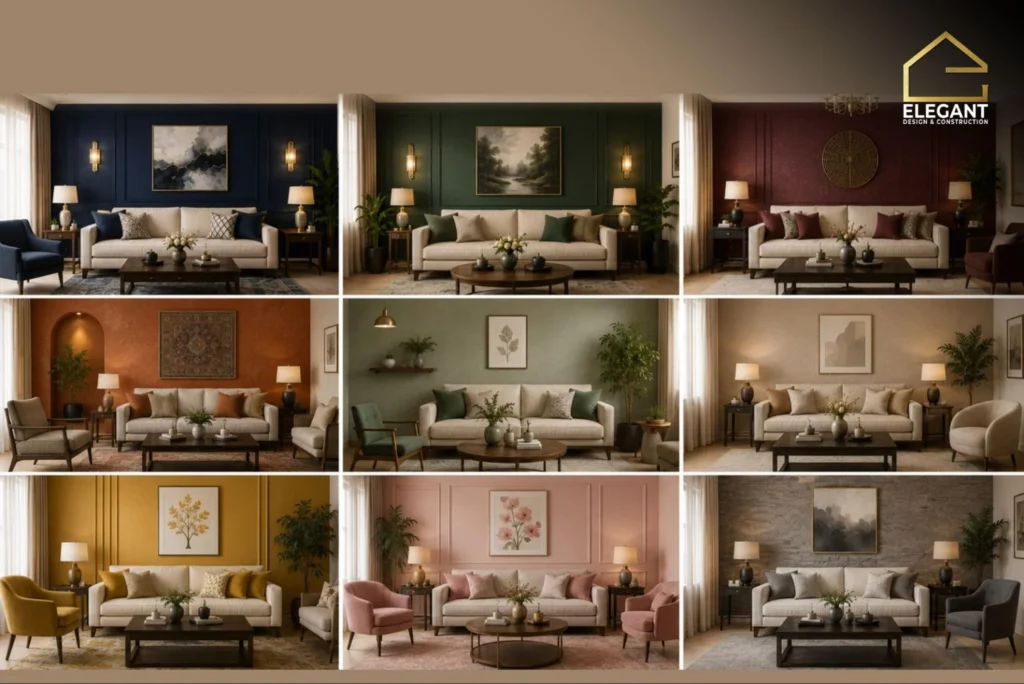
Bold and dark colors like navy blue, deep green, and maroon work well in rooms with good natural light. They add drama without making the room feel dark, and they pair nicely with wooden furniture or gold and brass accents.
Earthy and Neutral Tones
Earthy and neutral tones such as terracotta, sage green, and warm beige are some of the most popular choices in Pakistani homes right now. They feel calm and grounded, and they go well with both traditional and modern furniture.
Energetic Bright Colors
Bright colors like mustard yellow and blush pink work best in kitchens, kids’ rooms, and creative spaces such as a study. Use them on one wall only, since a small dose has more impact than covering the whole room.
Cooler Tones
If your room gets a lot of direct afternoon sun, cooler tones like sage green or stone gray tend to look better than bright, warm colors, which can appear washed out under strong light. It’s always worth testing a small paint sample on the actual wall at different times of day before you commit to a full coat.
Room-by-Room Accent Wall Guide
Not every wall in your home needs the same treatment. Here’s where an accent wall works best in each room, and what to keep in mind.
Bedroom
The wall behind your bed, sometimes called the headboard wall, is almost always the right choice. You face away from it while sleeping, so the color or texture adds character to the room without keeping you awake.
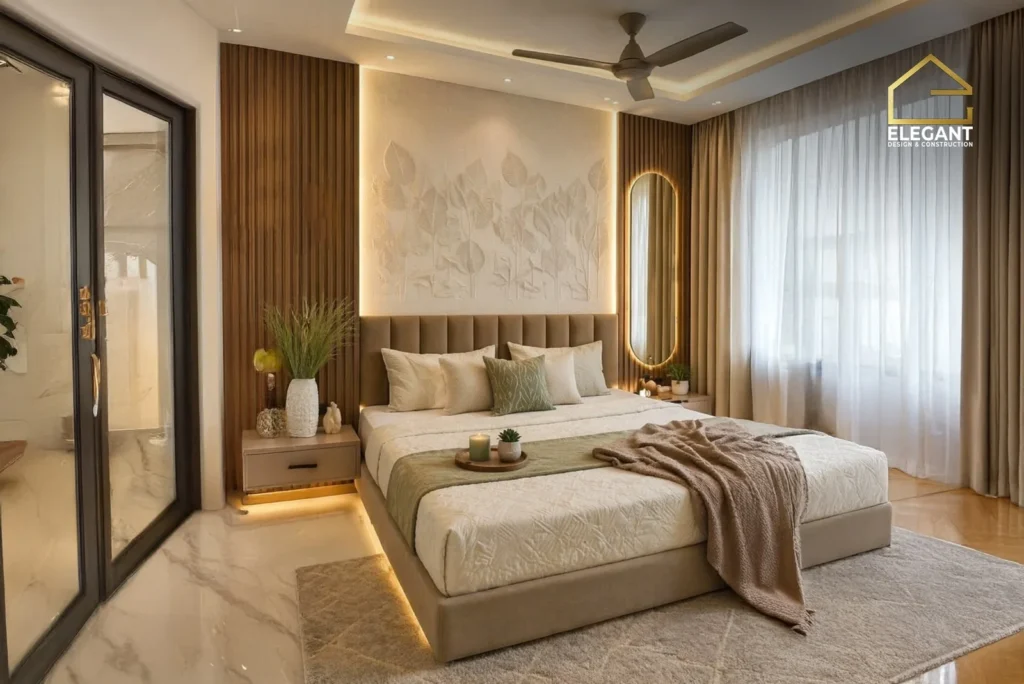
Sage green, warm beige, and soft navy are common picks. Wood slats behind the headboard also work well and give a hotel-style finish if the panel extends the full width of the bed.
Living Room or Drawing Room
In Pakistani drawing rooms, the wall behind the main sofa or behind the TV unit is the natural choice. These are the walls guests see first when they enter, so they carry the most visual weight.
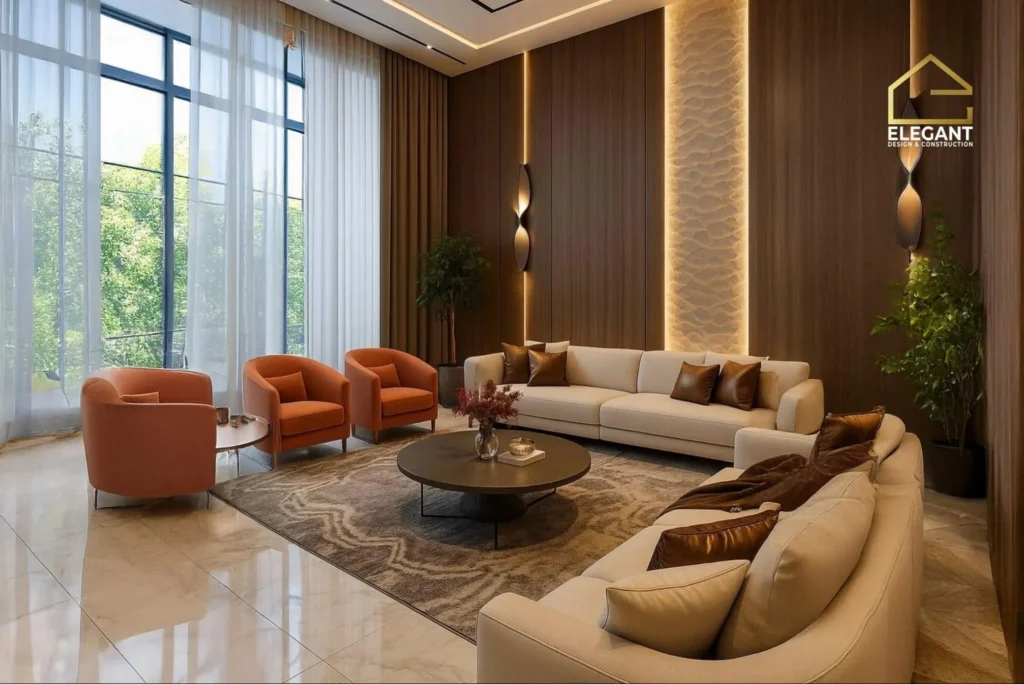
Stone cladding, wood panels, or a bold paint color all work here. If you’re short on space, this is also a good spot to think about how the rest of the room is laid out. A quick look at space planning ideas for new homes can help you decide where furniture should sit before you commit to a wall design.
Dining Area
A rich, warm color behind the dining table adds character to a space that’s often overlooked. Deep red, mustard, or terracotta tones work particularly well here, since warm colors are known to make a dining area feel more inviting.
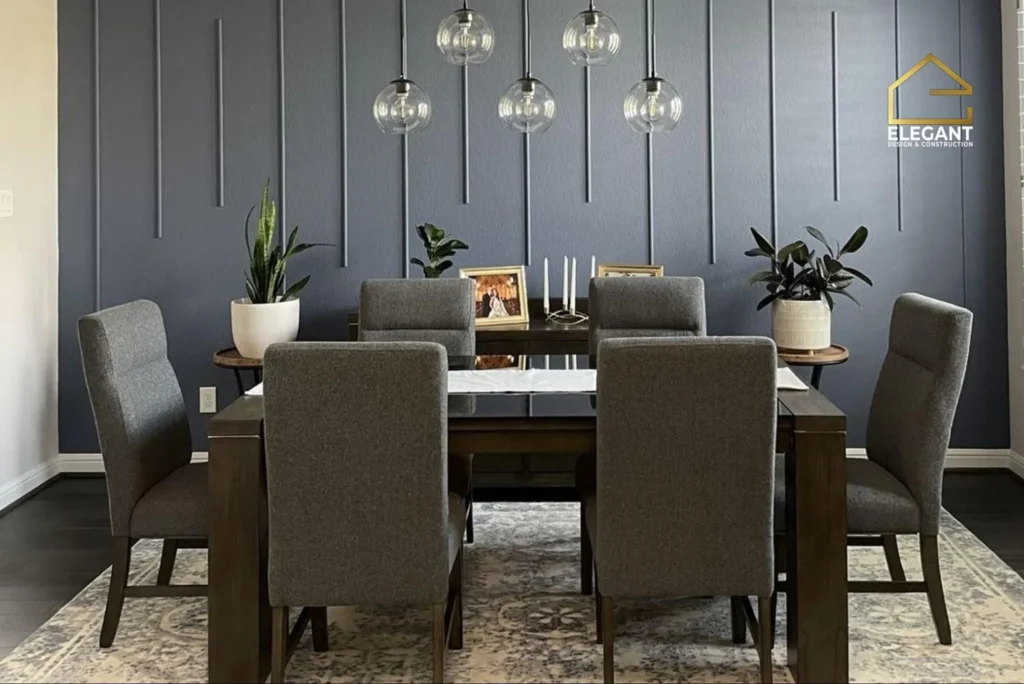
Keep the rest of the dining area simple if you go bold on this wall. A patterned wallpaper or a single strong paint color is usually enough.
Home Office or Study
A study benefits from a color that keeps you alert without feeling harsh. Deep blue, forest green, or a chalkboard-paint wall (which doubles as a writing surface) all work well here.
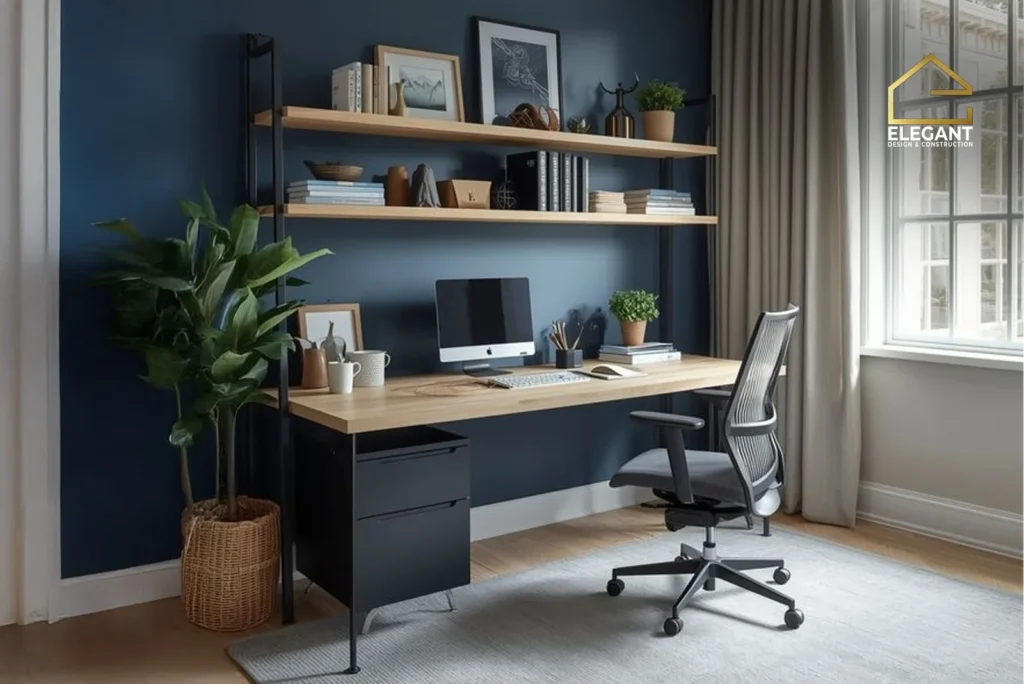
If your study also has a door with visible paneling or molding, it’s worth matching the two so the room feels connected rather than pieced together. You can browse more room door design ideas for Pakistani homes if you’re updating the whole room at once.
Common Accent Wall Mistakes to Avoid
A few simple mistakes can undo an otherwise good accent wall. Here’s what to watch for.
- Picking a random wall: Choose the wall your eyes naturally land on first, usually behind the bed, the sofa, or the TV. A side wall with no furniture in front of it rarely works.
- Using too many accent walls in one home: One feature wall per room is usually enough. More than that, and nothing stands out anymore.
- Ignoring lighting: Textured walls like stone, wood, or 3D panels need proper lighting to show their depth. Without it, they can look flat instead of dramatic.
- Going too bold on a budget you can’t maintain: A dramatic paint color is cheap to apply but may need touch-ups sooner than a panel or wallpaper finish. Match your choice to how much upkeep you’re willing to do.
- Copying a design without checking the room’s light: A color that looks great in a photo online may look completely different in your room once the Pakistani sun hits it. Always test a sample first.
Getting Your Accent Wall Design Right
An accent wall is one of the simplest ways to change how a room feels, but getting the material, color, and wall choice right takes some planning. What works in a bright, south-facing bedroom may not work the same way in a dining room that only gets light in the evening.
If you’d rather not guess, working with interior designers in Islamabad can save you the trial and error. Elegant’s designer can also help you get a premium look on a smaller budget, especially if you’re working with tighter finances.
Whether you go with paint, wood panels, or wallpaper, the goal stays the same: one wall that makes the whole room feel complete.
Ready to bring an accent wall idea to life in your own home? Get in touch with our team for a design that fits your room, your light, and your budget.
Frequently Asked Questions
Which wall in a room should be the accent wall?
Pick the wall your eyes notice first when you walk in. That’s usually the wall behind the bed in a bedroom, behind the sofa or TV in a living room, or behind the dining table.
Is paint or wood paneling better for an accent wall in Pakistan?
Paint is cheaper and easier to change later, so it suits smaller budgets or rented homes. Wood paneling costs more but adds texture and lasts longer, making it a better fit if you’re not planning to change the look soon.
Do accent walls work in small rooms or apartments?
Yes. A single accent wall can actually make a small room feel more defined instead of cramped, as long as you keep the rest of the room simple and avoid heavy, dark textures that close the space in.
Are accent walls still trending in 2026?
Yes, but the style has shifted. Instead of one loud, bold color, homeowners are choosing textured finishes like wood slats, limewash, and stone, paired with warmer, more natural tones.
Can I have more than one accent wall in the same home?
You can, but keep it to one per room. Having several accent walls in the same open space can make the home feel cluttered instead of designed.