
What Are Pre-Construction Services in Real Estate?
Pre-construction services cover everything that happens before breaking ground: preconstruction planning, the preconstruction phase schedule, a preconstruction cost estimate, authority approvals and NOCs, procurement setup, and early risk controls.
For a buyer or investor, this stage converts unknowns into numbers, dates, and documents—so your capital is protected before the first brick is laid.
In short: strong pre-construction equals fewer surprises, clearer costs, and measurable timelines.
Key Stages of the Pre-Construction Phase (Pakistan Context)
- Feasibility study (real estate): Market demand, location analysis, bylaws, and financial viability to confirm the project makes sense.
- Preconstruction cost estimate: Concept-to-detailed budgets, contingencies, and escalation planning to reflect material/FX volatility.
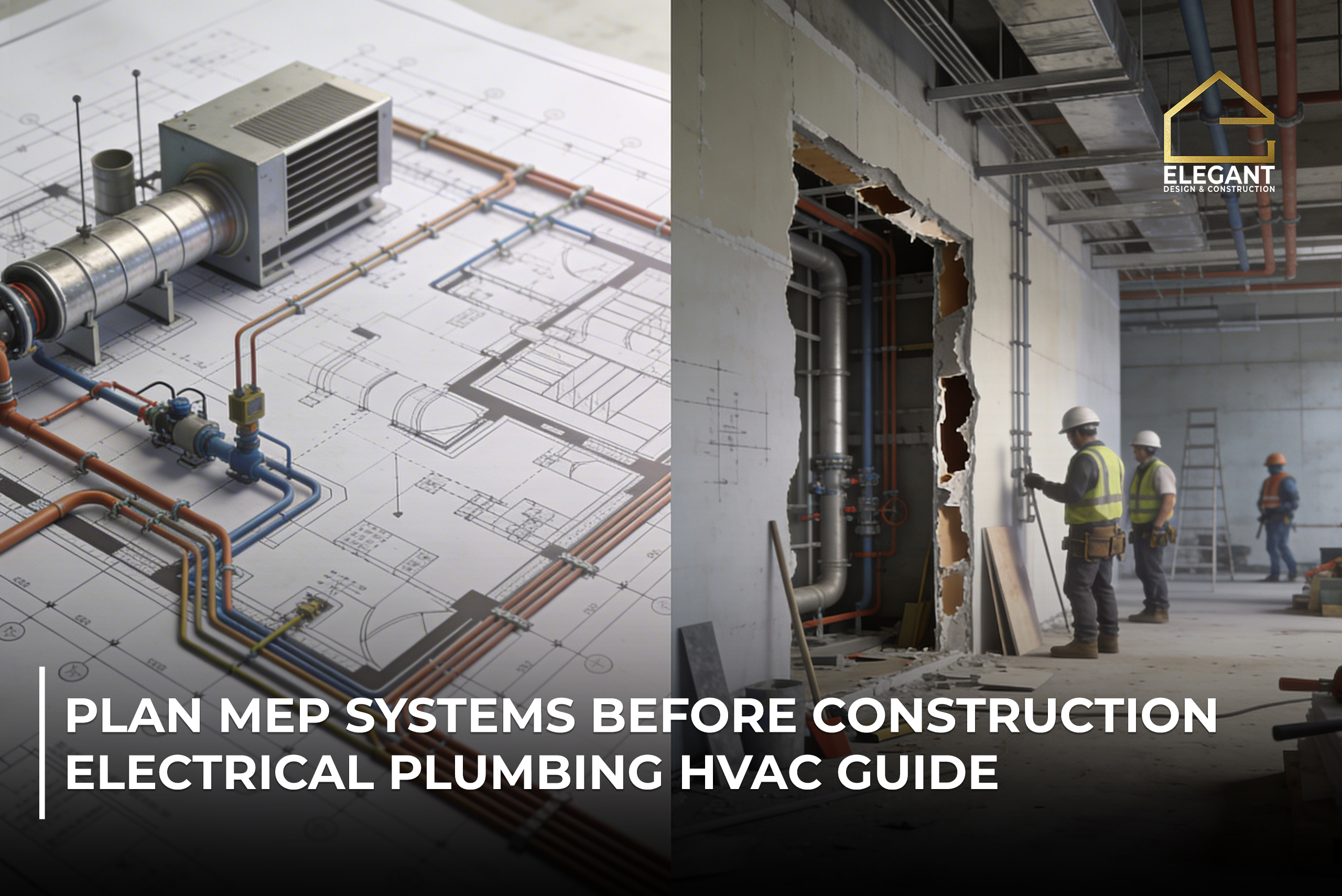
- Design management before construction: Coordinating architecture, structure, and MEP; setting revision control and RFI workflows.
- Construction approvals and NOC roadmap: CDA/LDA/RDA submissions plus utility coordination (IESCO, SNGPL, PTCL).
- Procurement and contractor pre-qualification: Building a longlist/shortlist, setting tender packs, and performing bid leveling.
- Project risk assessment: A live risk register with mitigations, owners, and QA/QC gate reviews.
- Cash flow forecasting: S-curves that align funding with the build, and lender-ready “sources & uses.”
- Design freeze checklist: A disciplined point to lock scope and protect the schedule.
How Pre-Construction Planning Reduces Project Risk
- Validate assumptions early. A structured feasibility study confirms unit mix, price bands, by-law constraints, and site logistics—before capital is committed.
- Risk register = transparency. Capture regulatory, geotechnical, seismic, and supply chain risks with specific mitigations and owners.
- QA/QC gate reviews. Phase-end checks (concept → schematic → detailed) prevent weak designs slipping into tender documents.
Buyer tip: Ask to see the feasibility study and risk register. If they don’t exist, you’re being asked to finance uncertainty.
Cost Control in Pre-Construction: Estimates, Value Engineering & Bid Leveling
- Accurate budgets, fewer shocks. An evidence-based preconstruction cost estimate sets realistic contingencies and escalation so budgets survive market swings.
- Value engineering in construction. Improve performance while lowering cost—material alternatives, smarter MEP layouts, or modular approaches—without downgrading quality.
- Contractor pre-qualification. Verify safety record, financial health, relevant experience, and capacity before tender.
- Bid leveling. Standardize inclusions and exclusions so you compare “apples to apples” and avoid post-award extras.
Buyer tip: Request the VE log, pre-qualification scorecards, and a bid-leveling sheet. These are the documents that protect your wallet.
Scheduling Certainty: Master Plan, Long-Lead Items & Design Freeze Checklist
- Master schedule with a real critical path. Tie design deadlines to authority reviews and procurement milestones so site teams aren’t waiting.
- Long-lead items locked early. Elevators, switchgear, chillers, façade systems—ordering them in the preconstruction phase prevents idle labor later.
- Design freeze checklist. A clear freeze date (and a process for changes) controls scope creep, keeps procurement aligned, and protects the timeline.
Buyer tip: Review the Gantt chart and confirm the design-freeze date and the long-lead procurement plan.
Pre-Construction Approvals & NOCs: CDA, LDA, RDA, and Utility Coordination
- Authority approvals first, rework never. Map the approval path by authority (CDA/LDA/RDA) with submission dates, fees, and dependencies.
- Utilities on the critical path. Early engagement with IESCO, SNGPL, and PTCL avoids late connections and handover delays.
- Evidence matters. Submission receipts, comments, and resubmission dates should be tracked like milestones.
Buyer tip: Ask which NOCs are obtained, which are “in process,” and which remain—plus evidence for each status.
Design Management & BIM: Prevent On-Site Clashes Before Construction
- One coordinated model. Architecture, structure, and MEP are aligned through BIM so ducts, beams, and risers agree on screen.
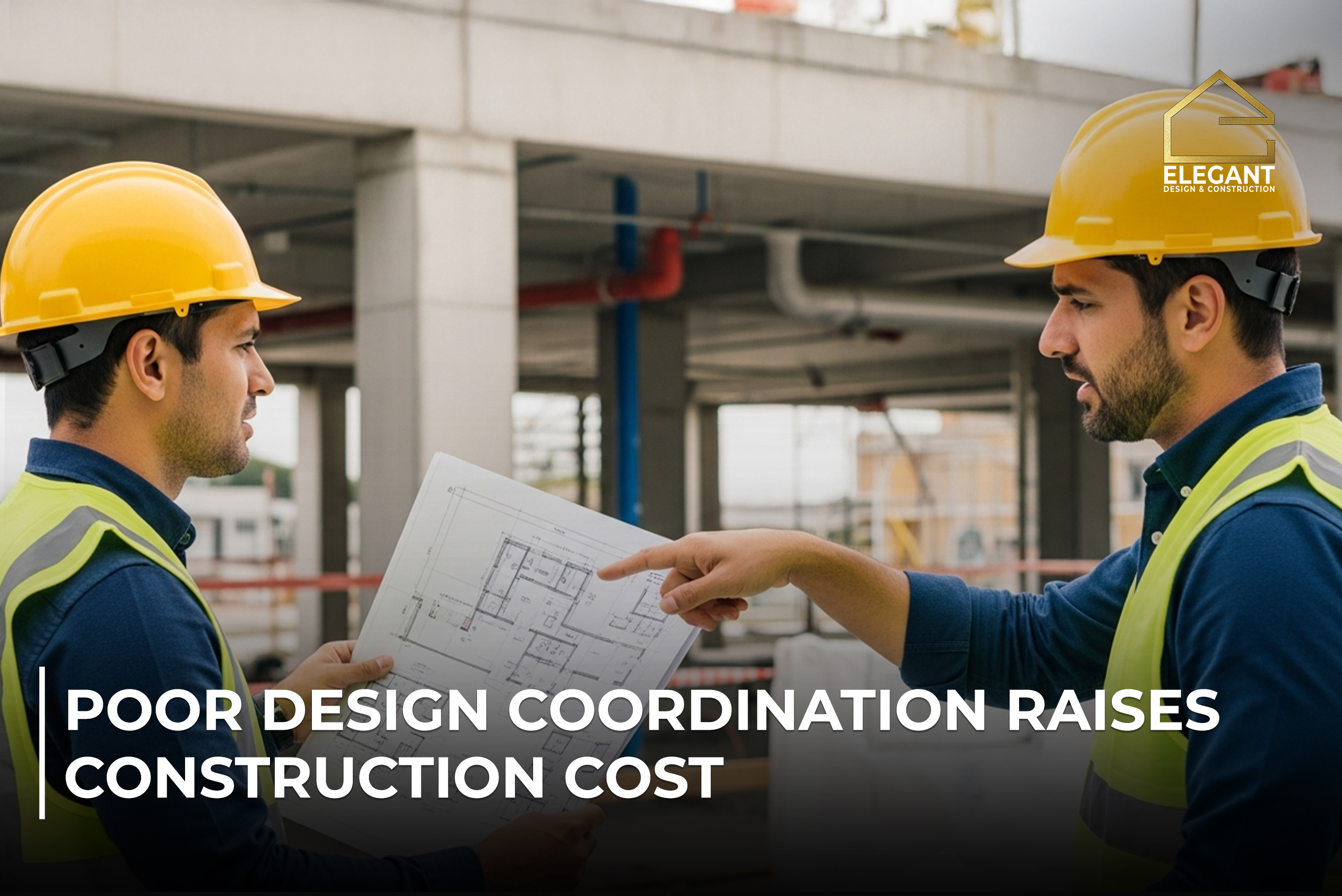
- Clash detection, real savings. Digital conflict resolution prevents on-site change orders and reduces rework risk.
- Controlled revisions. A defined RFI/submittal process stops uncontrolled drawing changes from derailing costs.
Buyer tip: Ask for the clash report and the count of resolved vs. outstanding issues before tender.
Financing & Cash Flow Forecasting During Pre-Construction
- S-curves for investor clarity. Monthly spend projections align equity, bank draws, and supplier payments.
- Contingency and escalation are embedded. The preconstruction cost estimate should show how buffers are sized and released.
- Lender confidence. Clean sources-and-uses tables, tied to the schedule, speed approvals, and reduce financing friction.
Buyer tip: Review the cash flow forecasting file and ensure it matches the schedule and procurement plan.
Case Study: How Strong Pre-Construction Planning Saved Cost and Time
- Context: A mid-rise mixed-use project in Islamabad with tight delivery expectations.
- Pre-construction actions: Rigorously coordinated design in BIM, early long-lead procurement, and formal bid leveling with pre-qualified contractors.
- Results: A leaner preconstruction cost estimate, measurable VE savings, clearer cash-flow S-curves, and a reliable path to approvals/NOCs—reducing rework risk and protecting buyer timelines.
Buyer’s Pre-Construction Checklist (Use Before You Invest)
- Feasibility study (real estate) + risk register (latest version)
- Preconstruction cost estimate with contingencies and escalation
- Value engineering log with accepted/rejected options
- BIM clash report and design coordination status
- Design freeze checklist with date and change process
- NOC tracker (CDA/LDA/RDA) and utility coordination (IESCO/SNGPL/PTCL)
- Contractor pre-qualification scorecards and bid-leveling comparison
- Master schedule highlighting critical path and long-lead items
- Cash-flow forecasting (S-curve) aligned to schedule and procurement
- QA/QC gate plan leading to groundbreaking
Common Red Flags in Pre-Construction Projects
- No written feasibility or project risk assessment
- A single “lump sum” without BOQ detail or bid leveling
- NOCs “in process” with no submission receipts or tracker
- No design freeze; continuous revisions during tender
- Missing plan for long-lead items or utility connections
- “We don’t use BIM” on complex, MEP-heavy projects
FAQs About Pre-Construction Services in Pakistan
Are pre-construction services worth it for buyers?
Yes. They expose risks early, keep costs honest, and provide a realistic schedule—key protections for your capital.
How long does the preconstruction phase take?
Varies by building type and authority. What matters is a documented schedule with clear gates and NOC timelines.
What’s the difference between value engineering and cost-cutting?
Value engineering preserves performance while improving cost; cost-cutting removes scope or quality. Your VE log should prove the difference.
Why is bid leveling essential?
It standardizes contractor bids so you can compare like-for-like and avoid budget shocks from hidden exclusions.
How do S-curves help investors?
Cash flow forecasting shows monthly funding needs and supports transparent lender engagement.
Final Word: Protect Your Capital Before Groundbreaking
For buyers in Islamabad, Rawalpindi, Lahore, and Karachi, robust pre-construction services transform uncertainty into a predictable, financeable plan. Prioritize teams that demonstrate disciplined preconstruction planning, transparent preconstruction cost estimates, documented construction approvals and NOC progress, and measurable controls across design, schedule, and cash flow.
Talk to an expert
If you’d like a quick, independent review of a project’s pre-construction readiness (documents, NOCs, cost estimate, BIM, S-curves), the team at elegantdesignpk.com can help you make an informed decision before you invest