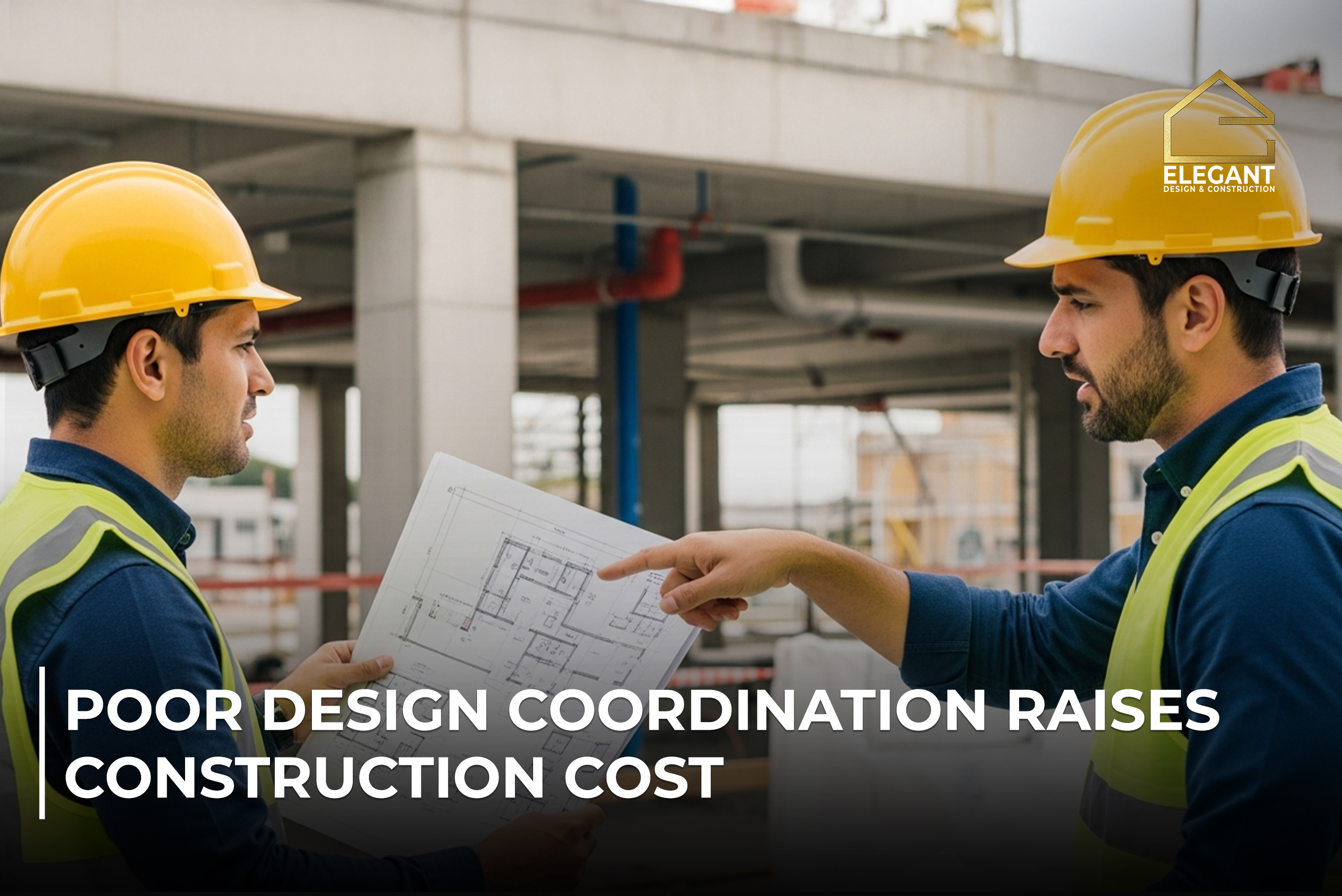

Construction projects rarely go over budget because of one big mistake. They become expensive because small design decisions are not aligned early.
When architectural layouts, structural drawings, electrical plans, and interior requirements do not work together, the cost starts rising quietly.
Walls move after construction begins. Electrical points shift. Plumbing lines clash with beams.
Each adjustment looks minor, but together they create serious financial pressure.
Most homeowners only notice the problem when expenses exceed the original estimate.
By then, materials have been wasted, labor has been repeated, and timelines have stretched. These costs do not come from premium finishes or better quality.
They come from poor design coordination. The damage often starts before the first brick is laid.
Poor coordination affects more than money. It creates delays, stress, and confusion on site. Decisions feel rushed. Changes feel unavoidable.
Trust between owners and teams weakens. Yet all of this is preventable with proper planning and aligned design processes.
How Poor Design Coordination Quietly Raises Your Construction Cost
In this guide we will explain how poor design coordination increases construction cost, where the losses occur, and how to prevent them before construction begins.
What Design Coordination Really Means in Construction
Design Coordination means aligning all construction-related drawings and decisions before execution begins.
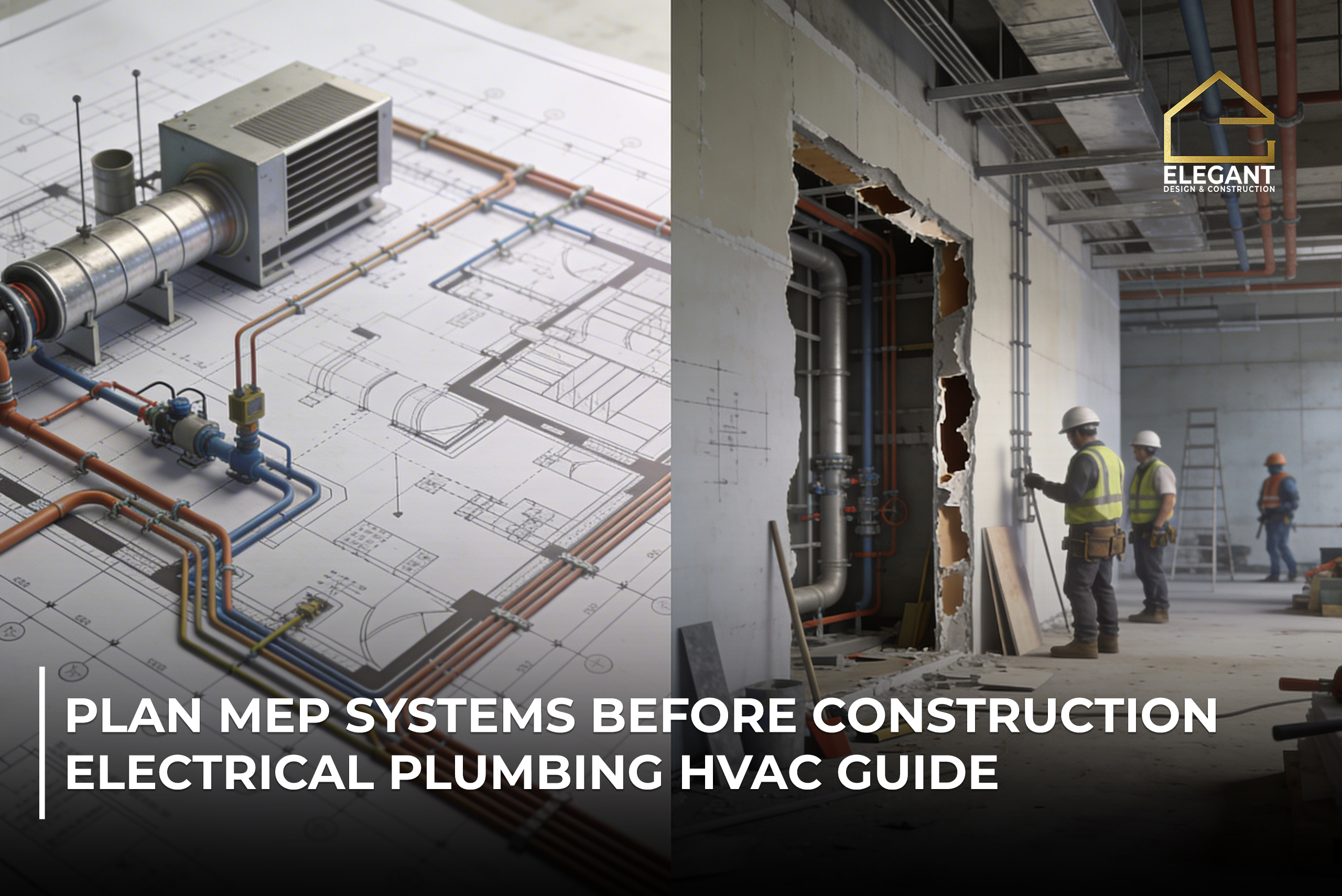
It ensures that architectural layouts, structural elements, electrical systems, plumbing routes, mechanical services, and interior requirements work together as one system.
Without coordination, each discipline works independently. Architects focus on layout, engineers focus on strength, and service teams focus on functionality.
When these elements are not reviewed together, conflicts appear during construction instead of being resolved on paper.
Proper coordination involves shared drawings, cross-checking dimensions, confirming service routes, and locking major decisions early.
It reduces uncertainty on site. It also creates clarity for contractors and workers. When coordination is done correctly, construction becomes predictable instead of reactive.
How Poor Coordination Silently Increases Costs
Poor design coordination increases costs in small, unnoticed ways. These costs rarely appear as one large expense. Instead, they accumulate over time.
When drawings conflict, construction pauses. Workers wait for clarification. Materials are reordered. Labor repeats tasks.
None of these costs add value to the project, yet they increase the final bill.
Because these losses are spread across different stages, owners often underestimate their impact.
A small change today leads to another adjustment tomorrow. Over weeks and months, the total cost quietly rises beyond the original estimate.
Chain Reaction of Design Changes
Design changes rarely stay isolated. One modification often triggers several others.
For example, shifting a wall affects electrical wiring, lighting placement, ceiling design, flooring quantities, and furniture alignment.
Each change requires updates, approvals, and execution.
The problem is timing. Early changes cost little. Late changes destroy completed work.
When coordination is weak, changes occur during construction instead of before it. This creates a chain reaction that multiplies cost and delays progress.
Budget Overruns Caused by Design Conflicts
Design conflicts are one of the main reasons construction budgets fail. These conflicts happen when drawings contradict each other.
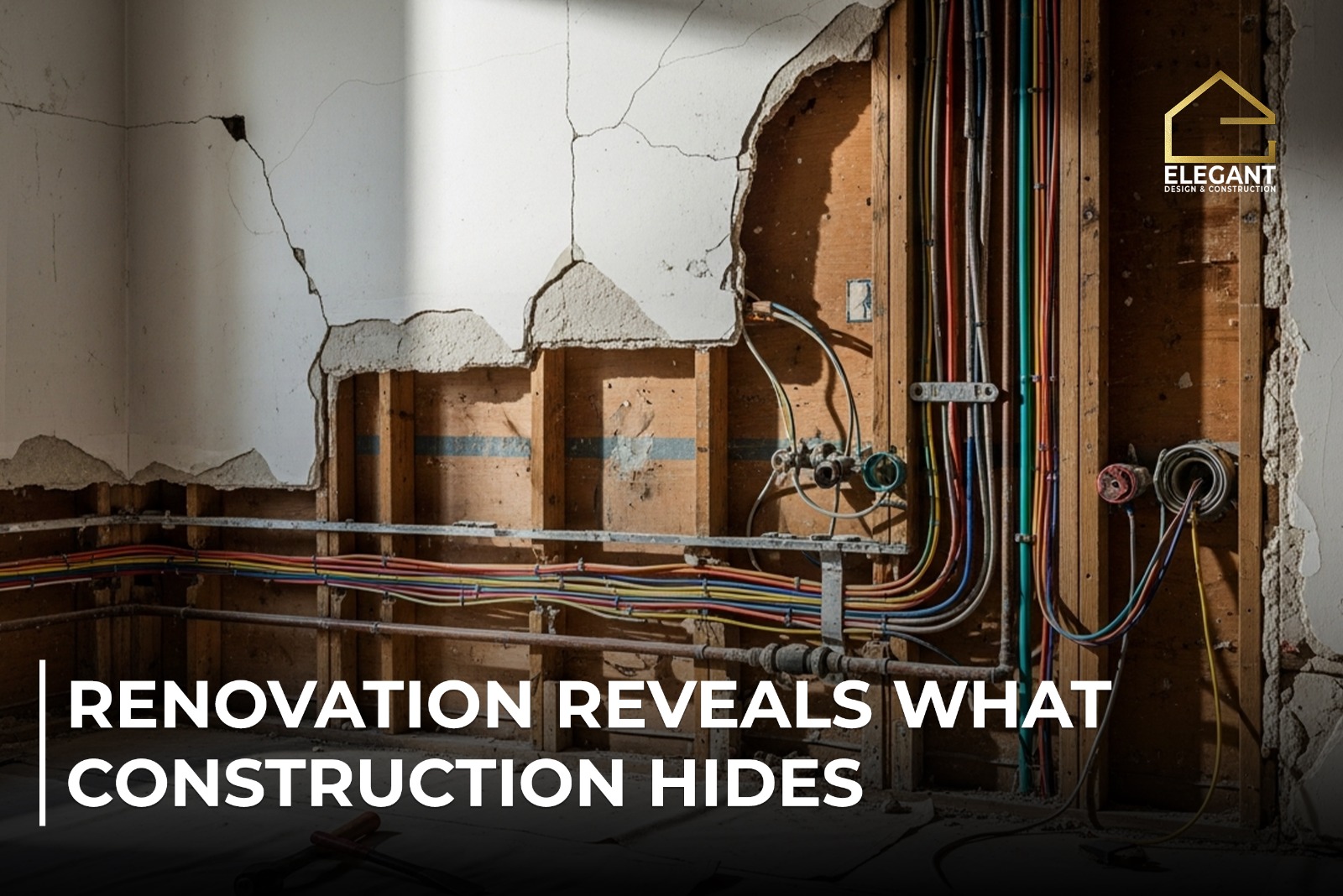
Structural beams may block plumbing lines. Electrical conduits may clash with cabinetry.
Ceiling heights may not allow mechanical ducts. Each conflict forces corrective action.
Corrective work costs more than planned work. It often involves demolition, redesign, and reinstallation.
Since these expenses were not planned, they push the budget beyond control.
Poor Coordination and Material Waste
Material waste is a direct result of poor coordination. When designs change after materials are ordered or installed, waste becomes unavoidable.
Tiles cut for one layout may not fit the revised plan. Woodwork prepared for one dimension may not work after adjustments.Paint quantities increase due to repeated finishes.
This waste is rarely recoverable. Suppliers do not refund custom materials. Contractors pass the cost to the owner.
Over time, wasted materials contribute significantly to cost escalation.
Delays That Multiply Financial Pressure
Time and money are closely linked in construction. Poor coordination slows progress.
When work stops due to unclear drawings, timelines extend. Extended timelines increase site overheads, supervision costs, equipment rentals, and utility expenses.
If financing or rental arrangements are involved, delays increase financial pressure further.
Delays also affect decision-making. Under pressure, owners approve changes quickly without reviewing cost implications. This leads to rushed decisions and higher expenses.
Why Design Coordination Often Gets Ignored
Despite its importance, design coordination is often overlooked.
One reason is fragmented responsibility. Different teams handle different parts of the project. Without a central review authority, coordination gaps go unnoticed.
Another reason is the rush to start construction. Many believe starting early saves time. In reality, skipping coordination causes longer delays later.
Some owners also see coordination as an extra cost. They fail to recognize that coordination prevents much larger construction losses.
Early Warning Signs of Poor Design Coordination
Coordination problems usually appear early if you know what to look for.
During design stages, frequent revisions, missing cross-sections, and unaligned drawings signal weak coordination.
During construction, repeated clarifications, verbal instructions replacing drawings, and frequent minor changes indicate deeper issues.
These signs suggest that problems are being solved late instead of early. Addressing them immediately can prevent further cost escalation.
How Proper Coordination Controls Construction Cost
Proper coordination controls cost by removing uncertainty.
When all designs are aligned before construction, work flows smoothly. Contractors follow clear instructions.
Materials are ordered correctly. Labor works efficiently.
Coordination also allows accurate budgeting. When scope is clear, estimates reflect real requirements. This reduces surprises and helps owners plan finances with confidence.
Practical Steps to Prevent Cost Escalation
Preventing cost escalation requires discipline.
Owners should demand coordinated drawings that include architecture, structure, and services together.
Major decisions such as layouts, kitchen planning, and electrical load must be finalized early.
Every design change should be documented with its cost and time impact. This creates transparency and discourages unnecessary revisions.
Regular design reviews before construction begins help identify conflicts while corrections are still inexpensive.
Long-Term Cost of Poor Coordination
Poor coordination affects more than construction cost. It impacts long-term performance.
Misaligned systems are harder to maintain. Repairs cost more. Access becomes difficult. Energy efficiency suffers.
Poor planning also reduces property value. Buyers notice awkward layouts and hidden defects. A project that looks complete may still feel uncomfortable to use.
In the long run, the cost of poor coordination continues long after construction ends.
Conclusion
Poor design coordination does not feel expensive at the beginning. It feels manageable. Small changes seem harmless.
Adjustments appear necessary. But over time, these unaligned decisions slowly erode the construction budget.
What starts as a design issue turns into repeated labor, wasted materials, delayed timelines, and rising costs that were never planned.
The real problem is not complexity. It is timing and alignment. When architectural, structural, and service decisions do not move together, construction becomes reactive instead of controlled.
Owners lose visibility. Teams lose efficiency. Costs rise without delivering additional value.
The solution is not more meetings or bigger teams. It is early coordination, clear responsibility, and disciplined decision-making.
Problems resolved on paper cost less than problems resolved on site. Projects that prioritize coordination protect both money and peace of mind.
In construction, cost control is not achieved by cutting quality or choosing cheaper materials.
It is achieved by planning better. When design coordination is treated as a core process, budgets stabilize, timelines improve, and projects perform as intended long after construction ends.