
Most construction problems do not start during execution they begin much earlier, at the planning stage.
Many homeowners and developers focus on layouts, elevations, and finishes, but overlook the systems that actually make a building functional.
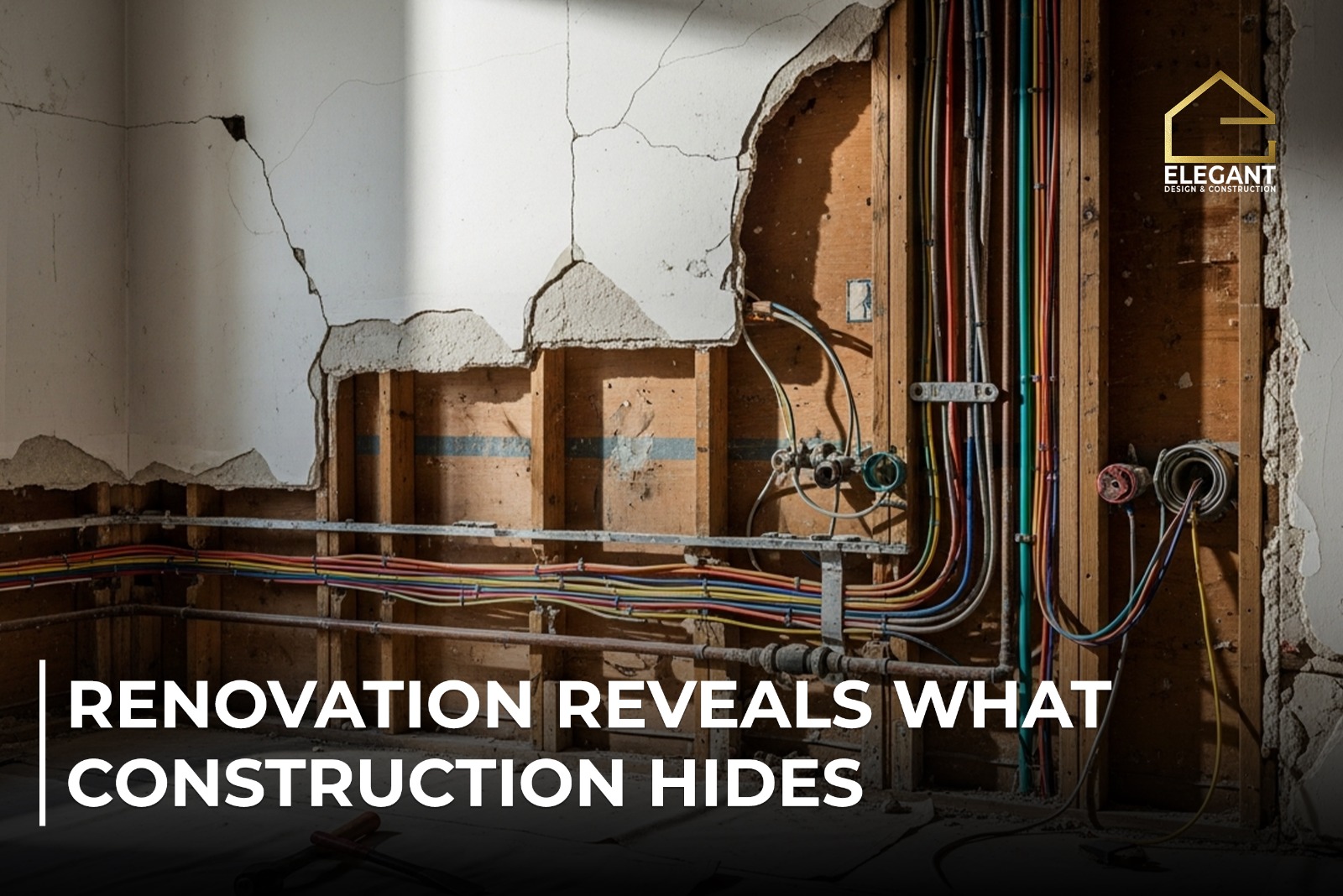
Electrical wiring, plumbing networks, and HVAC systems operate behind the walls, yet they directly affect comfort, safety, and long-term costs.
When these systems are planned late or in isolation, projects face avoidable issues like rework, inefficient layouts, higher energy consumption, and ongoing maintenance problems.
In practical terms, poor MEP planning can lead to overloaded circuits, inconsistent water pressure, and uneven cooling across spaces.
These are not minor inconveniences; they impact daily living and operational efficiency.
On the other hand, a well-coordinated system design ensures Smooth Construction, optimized performance, and lower lifecycle costs.
It also allows better decision-making on materials, routing, and future expansion.
A structured approach to planning these systems before construction helps eliminate guesswork and aligns all technical elements with the building’s purpose and usage.
How to Plan Electrical, Plumbing and HVAC Systems Before Construction
In this guide we will explain how to plan electrical, plumbing, and HVAC systems before construction step by step.
Why Early MEP Planning Matters in Construction
Early planning of Mechanical, Electrical, and Plumbing (MEP) systems directly impacts the performance, cost, and usability of a building.
When these systems are considered at the design stage, you reduce the risk of conflicts, rework, and inefficient layouts.
In contrast, late planning often forces adjustments within completed structural elements, which increases both time and cost.
From a technical perspective, MEP systems account for a significant portion of a building’s operational efficiency.
Electrical planning determines load distribution and safety. Plumbing design controls water pressure, drainage, and hygiene.
HVAC planning defines indoor comfort and energy consumption. If these systems are not aligned early, they create long-term inefficiencies.
Moreover, early coordination improves construction sequencing. Contractors can follow clear layouts, avoid overlaps, and execute work without delays.
This leads to smoother project timelines and better quality control.
In practical terms, early MEP planning ensures that the building functions as intended from day one, without hidden compromises.
Step 1: Understand Building Usage Before Designing Systems
A building’s performance depends on how accurately its systems reflect real usage.
Without defining occupancy, equipment, and daily demand, system design becomes guesswork.
Define Functional Requirements
System design must start with a clear understanding of how the building will be used.
Residential, commercial, and mixed-use buildings all have different load patterns, water usage levels, and ventilation needs.
Without defining usage, system sizing becomes inaccurate.
You should identify occupancy levels, daily usage patterns, and peak demand times.
For example, a house with multiple occupants and appliances requires higher electrical capacity and water storage compared to a smaller household.
Identify Equipment and Load Requirements
List all major equipment early in the design phase. This includes air conditioners, water heaters, kitchen appliances, pumps, and lighting systems.
Each component contributes to the total system demand.
This step prevents underestimation. It also ensures that circuits, pipe sizes, and HVAC capacities are designed to handle real usage instead of assumptions.
Consider Future Usage Changes
Buildings often evolve. Families grow, offices expand, and new equipment gets added. Planning with future usage in mind allows systems to handle additional load without major modifications.
Step 2: Create an Integrated MEP Planning Approach
Integrated MEP planning ensures that electrical, plumbing, and HVAC systems work together rather than competing for space and resources.
It reduces design conflicts, improves efficiency, and creates a smoother construction process from the start.
Avoid Isolated System Design
Designing electrical, plumbing, and HVAC systems separately creates coordination issues.
Each system competes for space within walls, ceilings, and shafts. Without integration, clashes occur during installation.
Develop a Coordinated Layout
An integrated approach aligns all systems within the same design framework.
Electrical conduits, plumbing lines, and HVAC ducts are planned together. This ensures efficient routing and avoids overlap.
Improve Space Utilization
Coordinated planning helps optimize ceiling heights, shaft sizes, and service areas.
It prevents overcrowding of services in limited spaces, which can otherwise lead to maintenance difficulties.
Enhance System Efficiency
When systems are designed together, they support each other. For example, HVAC load calculations influence electrical capacity.
Plumbing layouts affect structural planning. Integration improves overall system performance.
Step 3: Electrical System Planning (Load, Layout, Safety)
Electrical system planning defines how power flows safely and efficiently throughout the building.
It starts with accurate load calculation, followed by a structured layout and strong safety measures to prevent overloads and hazards.
Load Calculation
Accurate load calculation is the foundation of electrical planning. You must account for lighting, appliances, HVAC systems, and future expansion.
Each load should be calculated in kilowatts (kW) to determine total demand.
This step ensures that the main supply, wiring, and protection devices can handle the load without risk of overload.
Distribution Planning
Electrical distribution should be organized through properly designed distribution boards (DBs). Separate circuits should be assigned for:
- Lighting
- Power outlets
- Heavy appliances
This segmentation improves safety and simplifies maintenance.
Socket and Switch Placement
Placement should align with furniture layout and user behavior. Sockets must be accessible and sufficient in number.
Poor placement leads to excessive use of extension cords, which increases safety risks.
Safety Systems
Safety is a critical component of electrical design. Install:
- Circuit breakers (MCB)
- Residual current devices (RCCB)
- Proper earthing systems
These elements protect against short circuits, overloads, and electric shocks.
Step 4: Plumbing System Planning (Water Flow and Drainage)
Plumbing planning controls how water enters, moves through, and exits a building without disruption.
A well-designed system ensures consistent pressure, efficient flow, and reliable drainage from the start.
Water Supply Design
Plumbing design begins with identifying water sources and storage requirements.
This includes underground tanks, overhead tanks, and supply lines. Storage capacity should match daily consumption needs.
Pipe Sizing and Routing
Pipe sizes must be selected based on flow requirements. Undersized pipes reduce pressure, while oversized pipes increase cost unnecessarily.
Routing should be direct and efficient, minimizing bends and length.
Drainage System Design
Drainage relies on gravity. Proper slope must be maintained to ensure smooth flow of wastewater. Incorrect slopes lead to blockages and backflow issues.
Separate systems for greywater and sewage improve hygiene and allow for better water management.
Pressure Management
In multi-story buildings, water pressure varies across levels. Pressure balancing systems, such as pumps or regulators, ensure consistent flow throughout the building.
Step 5: HVAC System Planning (Cooling, Ventilation, Efficiency)
HVAC planning determines how effectively a building maintains indoor comfort and air quality throughout the year.
A well-designed system balances cooling capacity, ventilation, and energy efficiency to ensure consistent performance without excessive operating costs.
Load Calculation and System Sizing
HVAC systems must be sized based on room dimensions, insulation, occupancy, and climate conditions.
Oversized systems waste energy, while undersized systems fail to maintain comfort.
Accurate load calculation ensures optimal performance and energy efficiency.
Ventilation Planning
Ventilation is essential for indoor air quality. Fresh air intake and exhaust systems should be integrated into the design.
Poor ventilation leads to humidity, odors, and health issues.
Ducting and Equipment Layout
Ducts require sufficient ceiling space and proper routing. Poor planning results in reduced airflow and inefficient cooling.
Equipment placement should allow easy access for maintenance.
Energy Efficiency Considerations
Energy-efficient HVAC systems reduce long-term operational costs.
Proper insulation, zoning, and system selection contribute to better performance.
Step 6: Coordinate with Architectural Design
Coordinating MEP systems with architectural design ensures that all services fit seamlessly within the building structure without conflicts.
It helps prevent on-site adjustments, protects design integrity, and improves overall construction efficiency.
Align Systems with Structure
MEP systems must fit within the architectural and structural framework. Coordination ensures that ducts, pipes, and conduits do not interfere with beams, columns, or walls.
Optimize Space Planning
Early coordination helps allocate space for service areas, shafts, and equipment rooms. This prevents last-minute adjustments that compromise design quality.
Improve Aesthetic Integration
Proper coordination ensures that visible elements like vents, fixtures, and panels align with interior design. This maintains visual consistency.
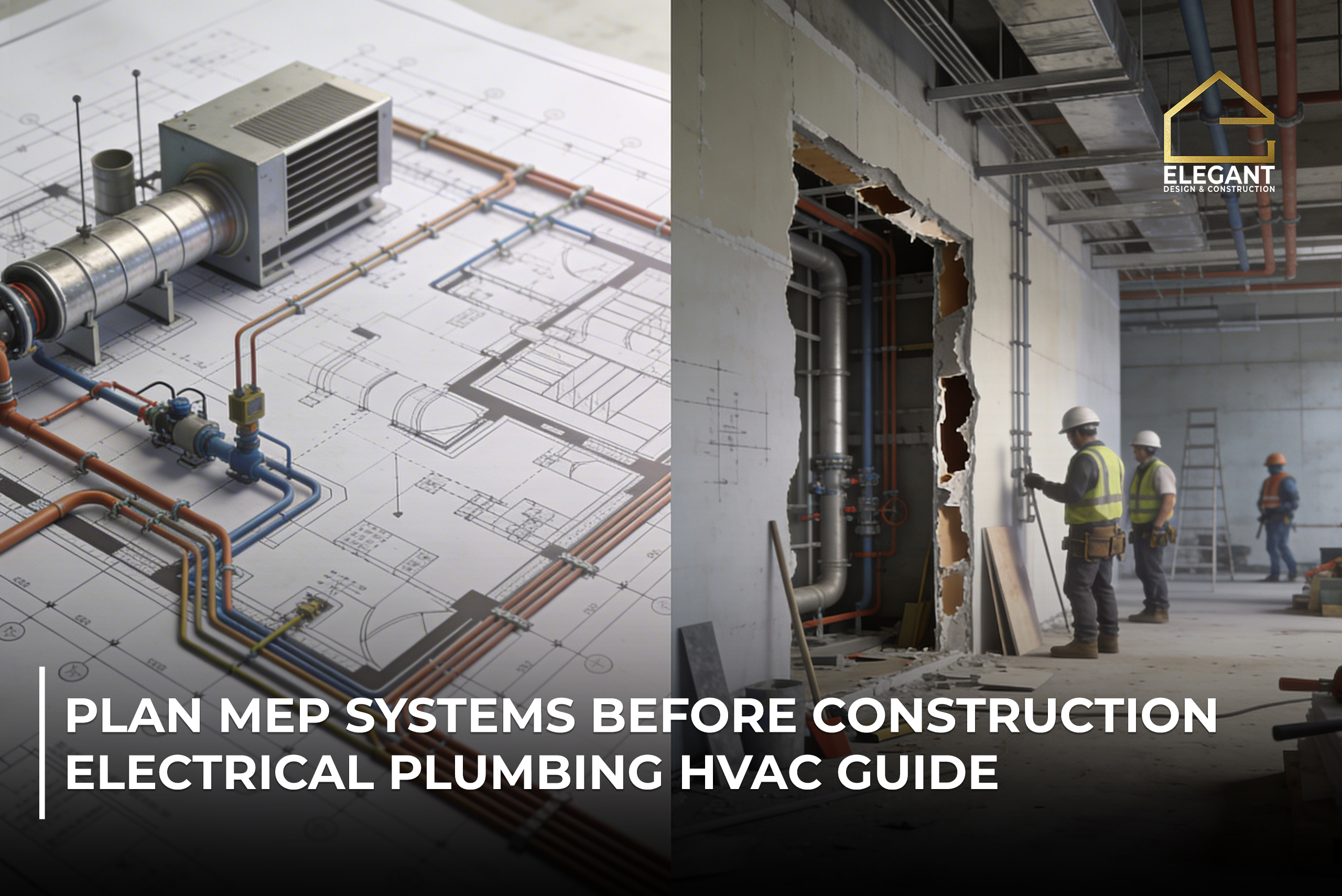
Step 7: Use MEP Drawings and Documentation
MEP drawings and documentation translate system planning into clear, buildable instructions for execution.
They ensure every electrical, plumbing, and HVAC component is placed accurately, reducing errors, delays, and on-site confusion.
Importance of Detailed Drawings
MEP drawings provide a clear roadmap for installation. They include layouts, routing paths, and system specifications.
Without drawings, execution becomes inconsistent and error-prone.
Types of Drawings
- Electrical layout plans
- Plumbing layout and isometric drawings
- HVAC ducting and equipment layouts
Each drawing serves a specific purpose and guides contractors during construction.
Benefits of Documentation
Accurate documentation reduces miscommunication, improves quality control, and supports future maintenance. It also helps in cost estimation and project planning.
Step 8: Plan for Future Expansion
Planning for future expansion ensures that your building systems can handle increased demand without major modifications.
It helps you avoid costly upgrades by preparing electrical, plumbing, and HVAC capacity in advance.
Anticipate Growth
Buildings often require upgrades over time. Planning for expansion ensures that systems can accommodate additional load without major changes.
Provide Spare Capacity
Electrical panels should have extra capacity. Plumbing systems should allow for additional connections. HVAC systems should support extended coverage if needed.
Install Extra Conduits and Space
Providing additional conduits and reserved space simplifies future modifications. This reduces disruption and cost when upgrades are required.
Step 9: Budget Planning for MEP Systems
Budget planning for MEP systems sets the foundation for both construction cost control and long-term operational efficiency.
A clear allocation across electrical, plumbing, and HVAC ensures you avoid compromises that lead to higher maintenance and energy expenses later.
Understand Cost Allocation
MEP systems represent a significant portion of construction costs. Proper budgeting ensures that each system is adequately funded without compromising quality.
Balance Cost and Performance
Low-cost materials and designs may reduce initial expenses but increase long-term costs due to maintenance and inefficiency. A balanced approach focuses on lifecycle value.
Plan for Contingencies
Unexpected changes can occur during construction. Allocating a contingency budget helps manage these changes without affecting overall project stability.
Step 10: Hire the Right Professionals
Hiring the right professionals ensures that every MEP system is designed with accuracy, safety, and long-term performance in mind.
Skilled experts reduce errors, improve coordination, and help avoid costly corrections during construction.
Role of MEP Consultants
MEP consultants design systems based on technical standards and project requirements. They ensure accuracy in calculations, layouts, and specifications.
Importance of Skilled Engineers
Electrical, plumbing, and HVAC engineers bring specialized knowledge. They identify potential issues early and provide practical solutions.
Contractor Coordination
Professionals coordinate with contractors to ensure correct execution. This reduces errors and maintains design integrity.
Common Mistakes to Avoid in MEP Planning
Mistakes in MEP planning often go unnoticed during design but create serious issues during construction and long-term use.
Identifying these common errors early helps prevent costly rework, system inefficiencies, and operational problems.
Lack of Load Calculation
Skipping load calculations leads to system failure and inefficiency.
Poor Coordination Between Systems
Uncoordinated designs create installation conflicts and delays.
Ignoring Future Expansion
Designing only for current needs limits flexibility and increases future costs.
Inadequate Safety Measures
Missing safety components increases risk and reduces system reliability.
Improper Routing and Layout
Poor routing affects performance, maintenance, and space utilization.
What Happens Without Planning
Without proper MEP planning, construction becomes reactive instead of structured.
Systems are installed based on immediate needs rather than long-term functionality. This leads to frequent design changes, increased costs, and delays.
Electrical systems may face overload issues due to incorrect load estimation. Plumbing systems may suffer from pressure imbalances and drainage problems.
HVAC systems may fail to provide consistent comfort due to improper sizing and layout.
Additionally, lack of coordination results in physical clashes between systems, requiring modifications during construction.
These changes disrupt timelines and compromise quality.
In the long run, poorly planned systems increase maintenance requirements and operational costs. They also reduce the overall efficiency and usability of the building.
Conclusion
Effective MEP planning is not a secondary task it is a core part of building design that directly influences performance, cost control, and long-term usability.
When you plan electrical, plumbing, and HVAC systems early and in coordination, you eliminate uncertainty and reduce the risk of design conflicts during construction.
This structured approach improves execution, supports accurate budgeting, and ensures that every system works efficiently from the start.
Moreover, well-planned systems enhance daily living and operational comfort.
Stable electrical distribution, consistent water pressure, and balanced indoor temperatures are outcomes of proper design decisions made before construction begins.
Ignoring this phase often leads to repeated fixes, higher maintenance costs, and compromised building performance.
A disciplined approach based on load calculations, coordinated layouts, proper documentation, and future-ready design creates a building that performs reliably over time.
It also gives developers, designers, and homeowners better control over quality and outcomes.
In practical terms, strong MEP planning turns a structure into a fully functional, efficient, and sustainable space.