
In Pakistan, almost everyone starts building a house with big hopes, but once the work begins, the timeline never matches what they expected. Some days the work is fast, and the very next week things slow down for reasons nobody explains. Sometimes it’s the weather, a small material delay, and sometimes the labor just doesn’t show up for a day or two.
Most people have no clue how long a house actually takes. The only way to make sense of it is to break the work into steps and see how long each one normally drags on in real life. It’s never exact, but still way better than guessing blindly.
Typical Duration by Plot Size
Every plot size moves at its own pace because the number of rooms, floors, and finishing details varies. In general:
- 5 Marla (double-storey): around 8–12 months
- 10 Marla (double-storey): roughly 10–14 months
- 1 Kanal: commonly 12–18 months
A well-organised project can finish on the lower end of this range, while material delays or design changes can easily push it upward.
Construction Timeline — Stage by Stage
Below is a practical breakdown of how long each part usually takes based on real on-ground activity.
1. Initial Planning & Approvals
Time required: about 1–3 weeks
Before work starts, the following things must be prepared:
- Floor plan and elevation
- Structural layout for columns, beams, and slabs
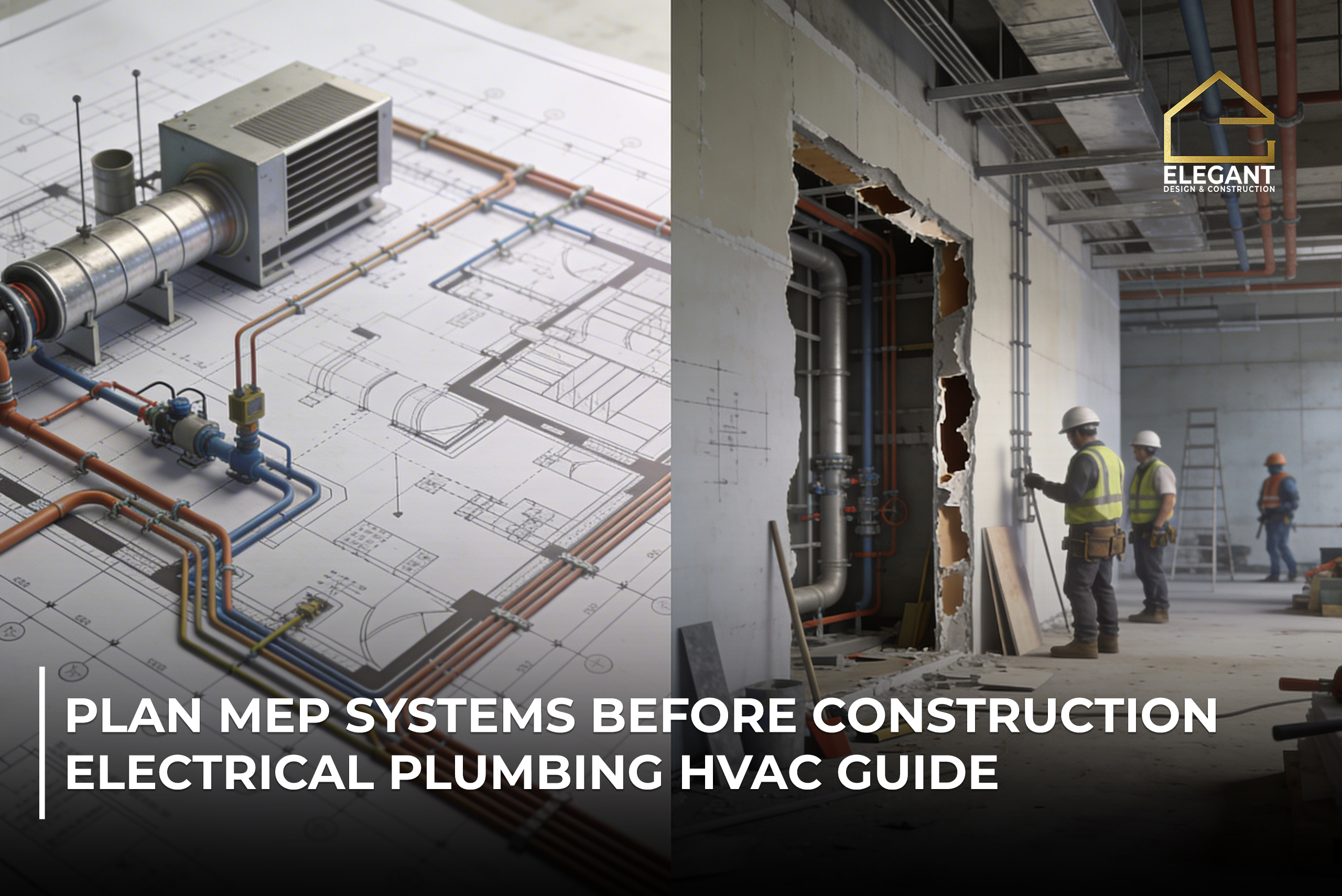
- Routing for electrical and plumbing
- BOQ or material estimate
- Approval from the relevant authority (where required)
The houses that run smoothly later are usually the ones that spend enough time on planning. When drawings are incomplete, the site suffers constant changes.
2. Excavation and Foundations
Time required: 10–15 days
The process begins with marking the layout and digging for footings. After excavation:
- Lean concrete is poured
- Steel cages are positioned
- Concrete for footings is cast
- Foundation walls are built where needed
- DPC is laid to avoid moisture issues
This stage sets the base for the entire structure, so accuracy matters more than speed.
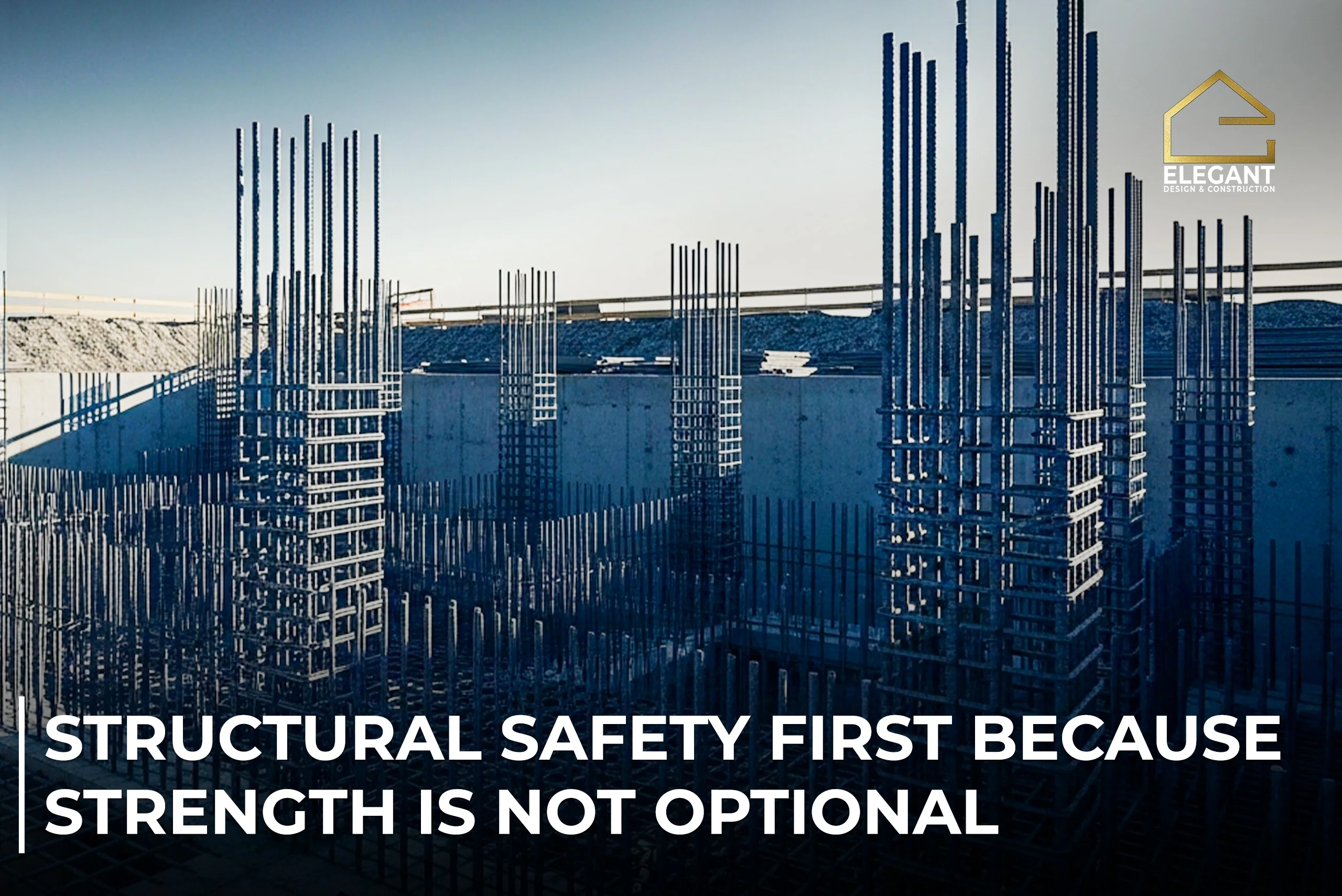
3. Structural Framework (Grey Structure)
Time required: around 90–120 days
This phase covers everything that defines the physical form of the house:
- Columns and beams
- Slab casting
- Exterior and interior walls
- Staircases
- Initial plaster
Most homeowners consider this the “active construction phase” because progress is highly visible. Delays usually occur when labour teams shift between multiple sites or when the design is changed mid-stage.
4. Electrical & Plumbing Rough-In
Time required: 3–4 weeks
As soon as the internal walls take shape, the technical work begins. This includes:
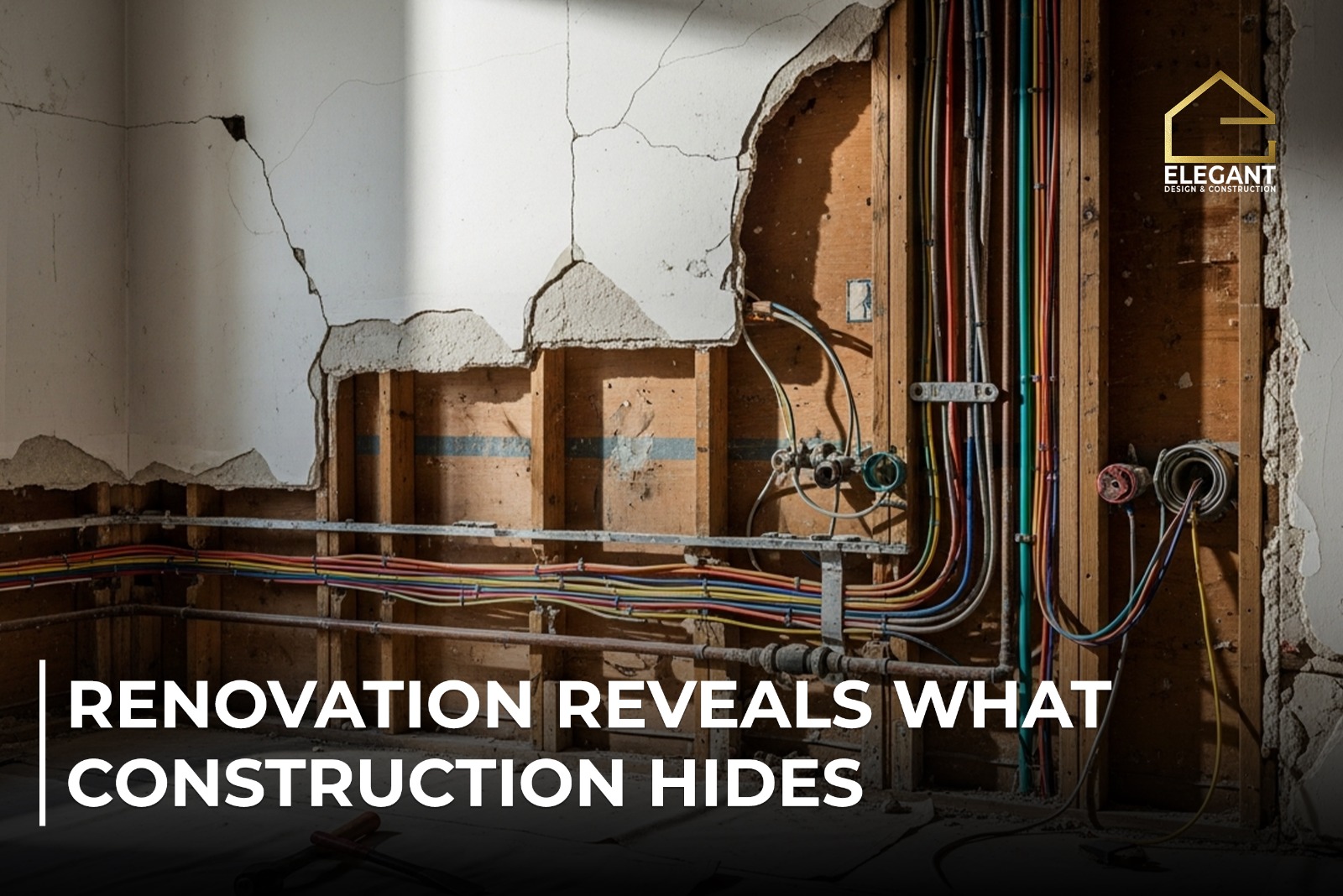
- Electrical conduits, switch points, and wiring paths
- Water supply lines
- Drainage and sewerage lines
- Points for water tanks, geysers, and kitchen appliances
The purpose of this stage is to ensure that the entire system is concealed properly before the finishing phase starts.
5. Finishing & Interior Work
Time required: 60–120 days
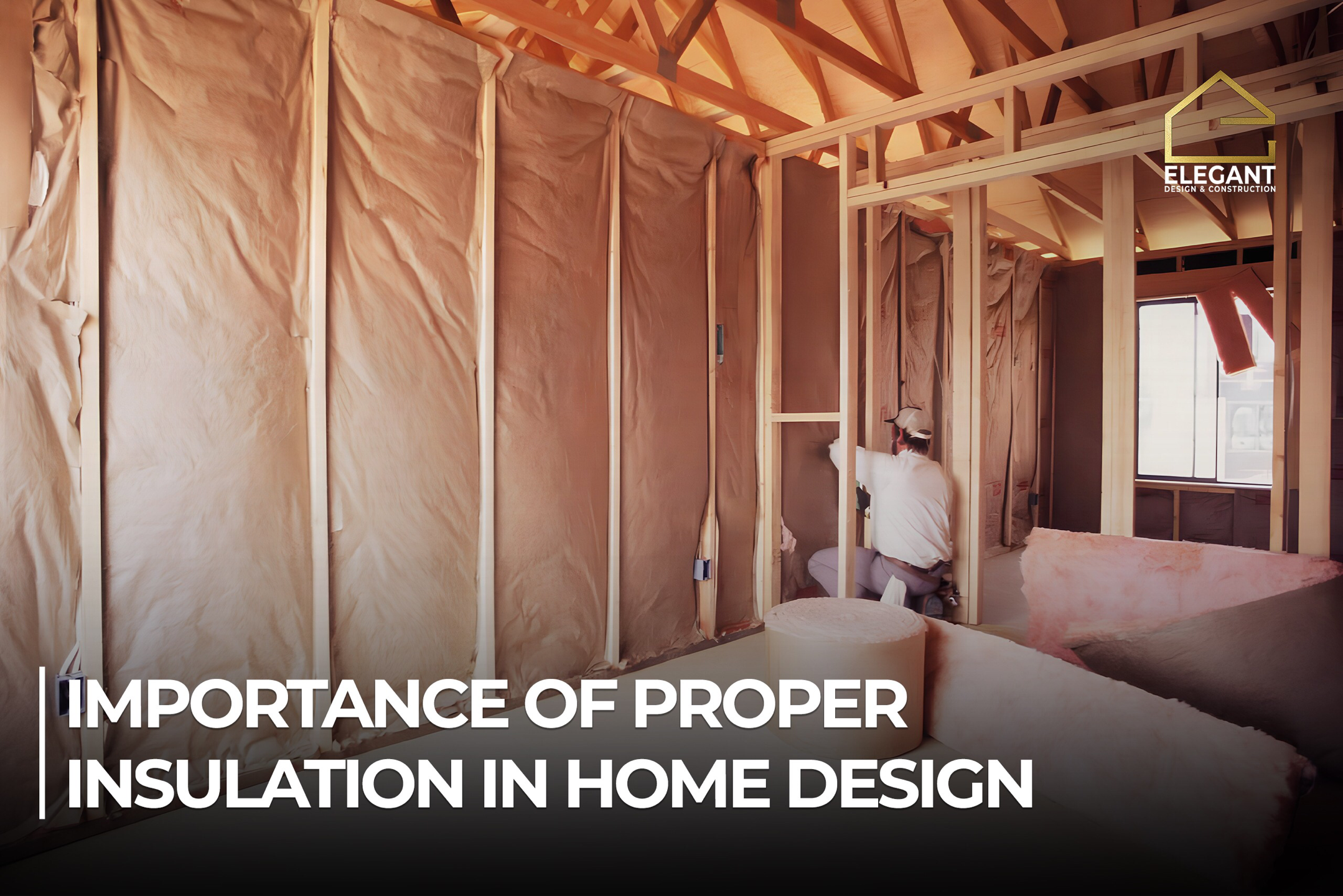
This stage takes the longest because multiple teams work at different speeds. Tasks include:
- Tiling or marble installation
- Bathroom fittings
- Kitchen work and cabinetry
- Wardrobes and doors
- False ceiling
- Wall preparation and paint
- Lighting, switches, and fans
The more detailed the finishing standards, the longer this phase becomes. Even small design decisions, like switching tile size or adding a feature wall, can add extra time.
6. Final Testing and Handover
Time required: 7–15 days
The last round includes:
- Plumbing checks for leakage and water pressure
- Electrical checks
- Touch-ups in paint and woodwork
- Cleaning of floors and windows
- External finishing
After resolving the snag list, the house becomes ready for handover.
Why Construction Delays Happen in Pakistan
Even well-planned projects face slowdowns. The most common reasons include:
• Late material decisions
Finishing materials selected at the last moment delay installation.
• Workforce gaps
Labour shortages or shifting teams affect momentum.
• Mid-project design modifications
Changing window sizes, moving walls, and new tile patterns — all interrupt the flow.
• Environmental factors
Weather plays a major role. Heavy rain, extreme heat, fog, or humidity can slow down slab curing and paint drying.
• Weak coordination
Without site supervision and a documented schedule, time is lost between stages.
How to Keep Your Build Within a Reasonable Timeline
1. Confirm major material selections before finishing starts
Tiles, sanitary, doors, lights, and cabinets should be finalised early.
2. Set a written timeline
Even if the project adjusts slightly, a defined plan keeps everyone accountable.
3. Visit the site regularly
Weekly checks help catch mistakes before they grow into delays.
4. Pay according to milestones
Linking payments with progress encourages consistent work.
5. Freeze the layout before breaking ground
Structural changes in the middle create the longest delays.