
Renovation projects often start with clear goals. Better space. Improved comfort. Updated finishes.
However, once work begins and surfaces are removed, many property owners face an unexpected reality. Hidden construction issues come to light.
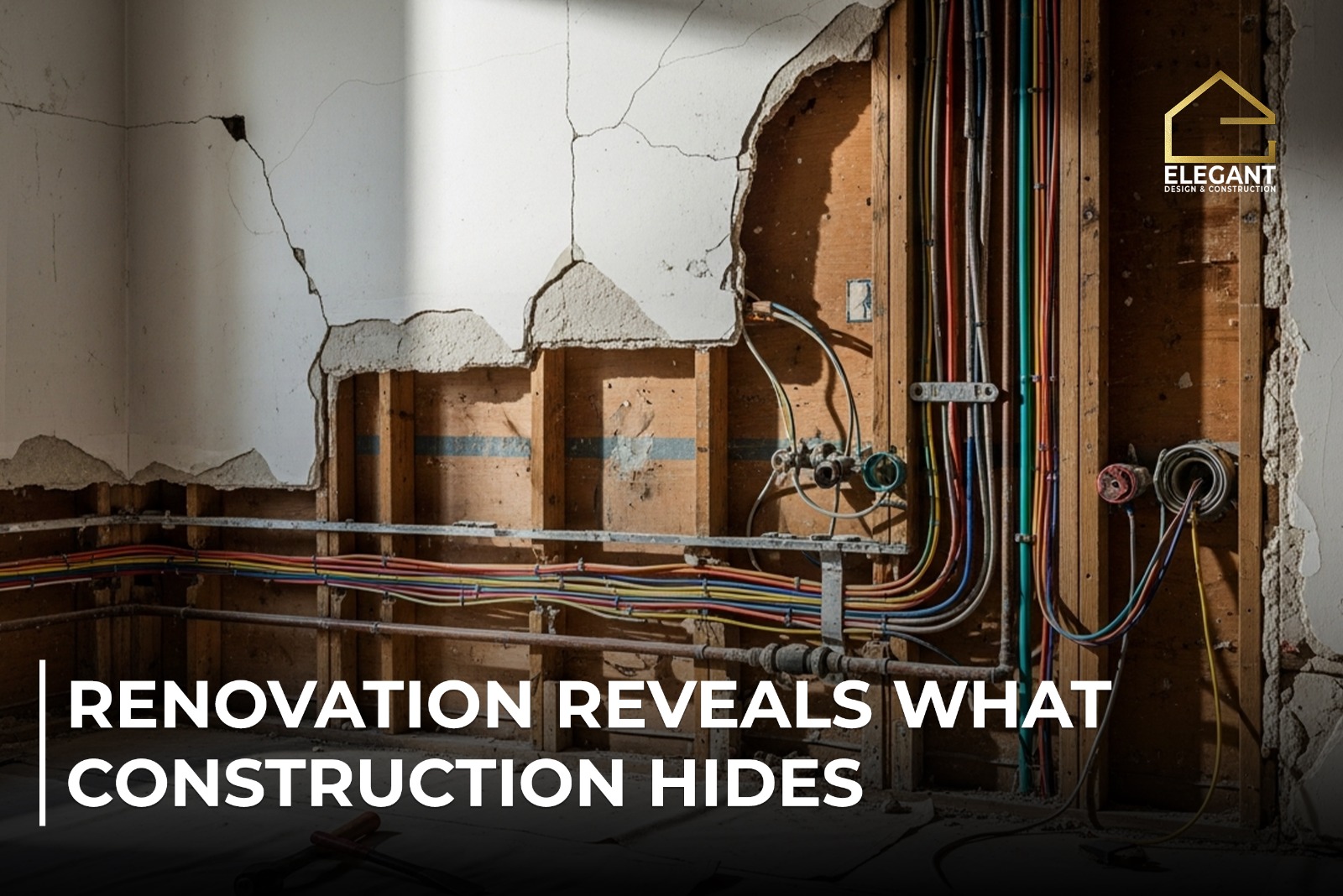
Walls reveal cracks that were never visible before. Floors expose moisture trapped for years. Electrical lines appear outdated or unsafe.
These discoveries are not rare or unusual. They are part of how renovation work interacts with aging buildings.
Most structures carry silent weaknesses beneath paint, tiles, and false ceilings.
These weaknesses remain unnoticed because the building has learned to function around them. Renovation disrupts that balance.
It removes protective layers and places new stress on old systems. As a result, problems that stayed dormant for decades suddenly demand attention.
This moment can feel overwhelming. Costs rise. Timelines shift. Decisions feel urgent. Yet uncovering these issues during renovation is far safer than discovering them after failure.
A planned intervention always costs less than an emergency repair.
Understanding why renovation projects expose these issues helps homeowners and professionals respond with clarity instead of panic.
How Renovation Projects Reveal Hidden Construction Issues
In this guide we will explain how Renovation projects uncover hidden construction issues, why these problems occur, and how to address them safely and strategically.
Why Renovation Projects Expose What Construction Hid for Years
Renovation projects disturb parts of a building that have remained untouched for a long time.
When walls are opened, floors are removed, or ceilings are dismantled, the building loses its protective layers.
These layers often hide problems that developed slowly over time. Paint, tiles, false ceilings, and wooden panels cover weaknesses without fixing them.
Renovation removes these coverings and exposes the real condition underneath.
Older buildings were constructed using standards that no longer apply today. Materials, workmanship practices, and safety expectations were different.
What was acceptable twenty or thirty years ago may now be considered risky or inefficient.
Renovation work brings modern demands into contact with older systems, and this mismatch reveals flaws.
Another reason renovation exposes hidden issues is stress redistribution. When layouts change or loads increase, the building reacts.
Cracks widen, joints fail, and systems that barely worked before begin to struggle. Renovation does not create these issues. It simply brings them to the surface.
8 Hidden Construction Issues Commonly Found During Renovation
Renovation work often exposes problems that remained hidden behind finishes, fixtures, and false structures for years.
Once demolition begins, these concealed construction issues surface and demand immediate attention to protect safety, performance, and long-term durability.
Structural Cracks That Were Previously Concealed
Many cracks remain hidden behind plaster or paint. During renovation, when surface layers are removed, cracks become visible.
Some cracks are harmless, but others indicate deeper structural movement.
Vertical or diagonal cracks near columns, beams, or openings often point to foundation settlement or load imbalance.
Renovation makes these cracks visible before they cause serious damage.
Water Seepage and Moisture Damage
Moisture problems often remain unnoticed because finishes absorb or hide them.
Renovation exposes damp patches, mold growth, and salt deposits on concrete surfaces.
These signs usually indicate failed waterproofing, leaking pipes, or poor drainage slopes.
Once discovered, these issues must be addressed at the source rather than covered again.
Old or Unsafe Electrical Wiring
Electrical wiring hidden behind walls can remain untouched for decades.
Renovation exposes outdated wiring systems, overloaded circuits, loose connections, and missing grounding.
These problems pose fire risks and safety hazards. Renovation provides an opportunity to replace unsafe wiring before it causes accidents.
Corroded or Damaged Plumbing Lines
Plumbing systems deteriorate internally over time. During renovation, pipes are often exposed, revealing corrosion, leakage, or improper connections.
Old metal pipes may have reduced water flow due to rust buildup. Renovation allows these systems to be upgraded instead of repaired repeatedly.
Weak Concrete and Poor Reinforcement
Concrete may appear solid externally while hiding weak internal reinforcement.
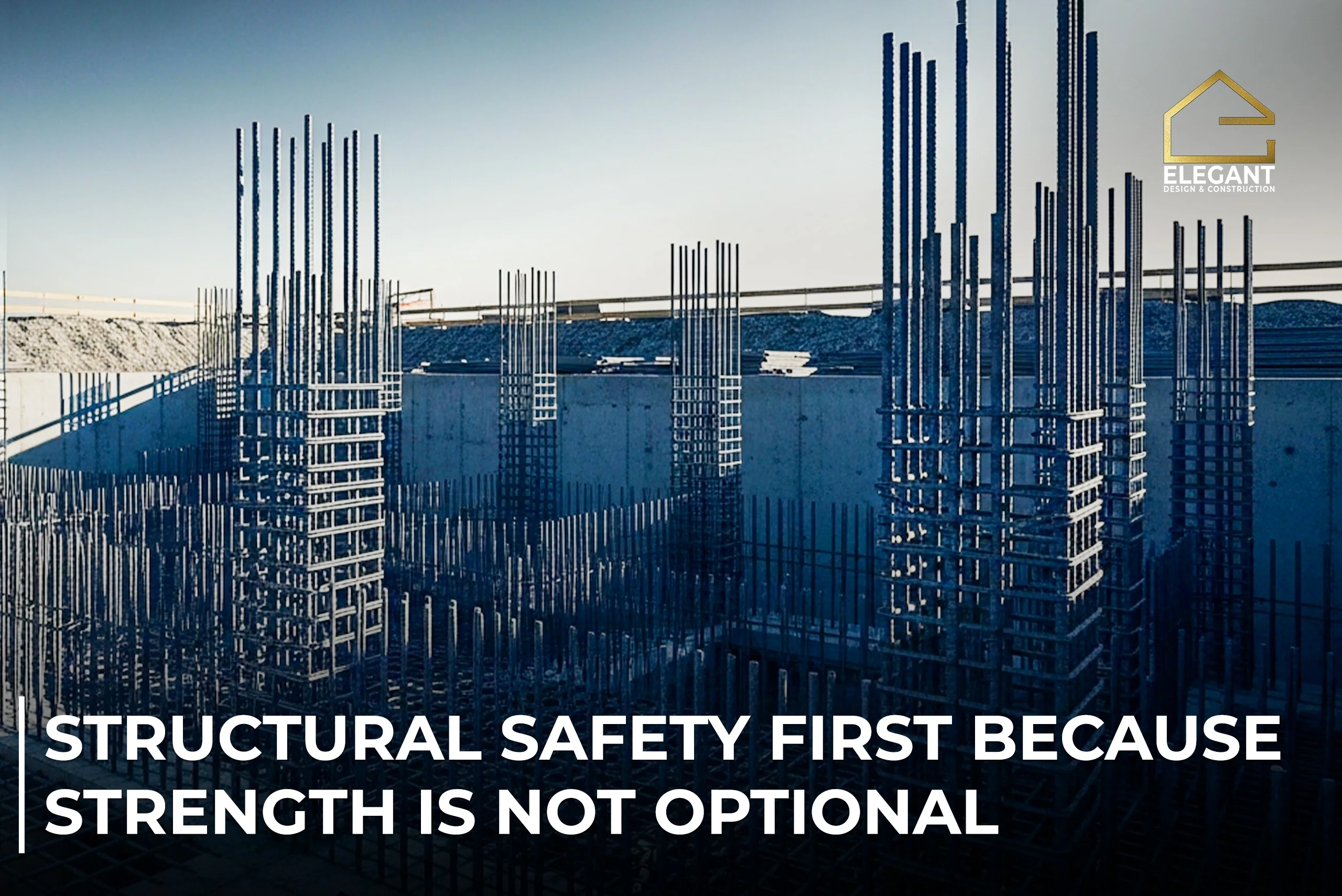
Renovation work such as drilling or slab cutting often reveals insufficient steel bars or corrosion.
These weaknesses reduce structural strength. Identifying them early allows proper strengthening measures to be applied.
Termite or Pest Damage
Termite damage is rarely visible until wooden elements are exposed. Renovation often reveals hollow door frames, weakened furniture bases, and damaged wooden supports.
Addressing termite infestation during renovation prevents repeated damage and structural weakening.
Improper Drainage Slopes
Floor finishes can hide drainage problems. During renovation, improper slopes become obvious when water fails to drain correctly.
Poor slope design leads to water stagnation, seepage, and long-term damage. Renovation makes it possible to correct these slopes permanently.
Load-Bearing Walls Misidentified as Partitions
Some walls assumed to be non-structural actually carry load. Renovation demolition work often reveals this mistake.
Removing such walls without proper assessment can compromise structural stability. Renovation forces verification of structural roles before changes proceed.
Common Hidden Issues and Their Real Impact
| Hidden Construction Issue | Immediate Effect | Long-Term Risk |
| Structural cracks | Visual damage | Structural instability |
| Water seepage | Dampness and mold | Concrete corrosion |
| Old wiring | Electrical faults | Fire hazard |
| Corroded plumbing | Leaks | Structural moisture damage |
| Weak reinforcement | Reduced strength | Safety risk |
| Termite damage | Material loss | Repeated failure |
| Poor drainage | Water pooling | Chronic seepage |
| Load wall removal | Sudden cracks | Structural collapse |
How Renovation Acts as a Diagnostic Tool
Renovation work functions like a detailed inspection process. Once surfaces are removed, professionals can examine the building honestly.
Structural elements become visible. Electrical and plumbing routes can be traced. Moisture paths can be identified.
This level of access is rarely possible during routine occupancy.
Renovation allows testing. Engineers can assess load paths. Electricians can measure circuit capacity.
Plumbers can check pressure and flow. These evaluations help determine whether systems can support modern usage.
Most importantly, renovation converts assumptions into facts. Instead of guessing what lies behind walls, decisions are made based on direct observation.
This clarity leads to better planning, safer solutions, and longer-lasting results.
Why These Discoveries Feel Overwhelming
Hidden construction issues often appear suddenly. Homeowners may feel unprepared when problems emerge after demolition begins.
Budgets increase. Timelines extend. The renovation plan changes.
Emotionally, this creates stress. There is fear about safety, frustration over unexpected costs, and concern about whether more problems will appear.
These reactions are natural. Renovation forces people to confront realities they did not anticipate.
However, discovering these issues early is always better than facing emergencies later. Renovation provides controlled conditions for repairs.
While overwhelming, these discoveries prevent future failures and reduce long-term risk.
Smart Responses When Hidden Issues Appear
The first smart response is to pause. Rushing decisions often leads to poor fixes. Taking time to assess the situation ensures that solutions address the root cause rather than symptoms.
The second response is to involve qualified professionals. Structural engineers, licensed electricians, and experienced plumbers provide accurate diagnoses.
Their input prevents unnecessary work and unsafe shortcuts.
Safety must take priority over appearance. Structural and system repairs should come before finishes.
Addressing these issues properly protects both occupants and investment.
Revising the budget realistically is also essential. Hidden issues are common, and contingency planning helps manage them without panic.
Clear documentation of findings and repairs ensures transparency and future reference.
How to Prepare Before Starting a Renovation Project
Preparation reduces surprises. A pre-renovation inspection helps identify potential problem areas.
Even if not all issues are found, early assessment sets realistic expectations.
Planning for contingency funds is critical. Renovation projects often require additional work once hidden conditions are exposed. Financial readiness prevents delays and compromises.
Clear communication with contractors is equally important. Discuss the possibility of hidden issues before work begins.
This understanding creates cooperation instead of conflict when challenges arise.
Finally, approach renovation with patience. Renovation is not just improvement. It is discovery and correction.
Renovation as a Second Chance for Your Building
Every building carries the history of its construction, usage, and maintenance. Renovation gives the structure a second chance.
It allows hidden weaknesses to be corrected instead of ignored.
Addressing hidden construction issues strengthens the building’s future performance. It improves safety, durability, and comfort.
Renovation done responsibly does more than change appearance. It restores integrity.
When renovation reveals problems, it is not a failure. It is an opportunity to rebuild trust between the building and its occupants.
A well-executed renovation extends the life of the structure and ensures peace of mind for years to come.
Conclusion
Renovation projects do more than improve how a space looks. They reveal how a building truly performs beneath its visible surfaces.
When hidden construction issues appear, they often feel like obstacles, but in reality, they are warnings that arrive at the right time.
Cracks, moisture, weak systems, and outdated installations would eventually surface on their own, often through costly failures or safety risks.
Renovation simply brings these problems forward under controlled conditions.
Addressing these issues during renovation protects both the structure and the people who use it. It allows corrections to be made methodically instead of through emergency repairs.
While unexpected discoveries can affect budgets and timelines, they also prevent repeated maintenance, structural decline, and long-term damage.
A renovation that ignores these findings only delays bigger problems.
Viewed correctly, renovation becomes an opportunity to strengthen a building from the inside out. It restores reliability, improves safety, and extends service life.
When hidden issues are resolved properly, the renovated space does not just look better.
It performs better, lasts longer, and provides confidence that the structure is sound for the years ahead.