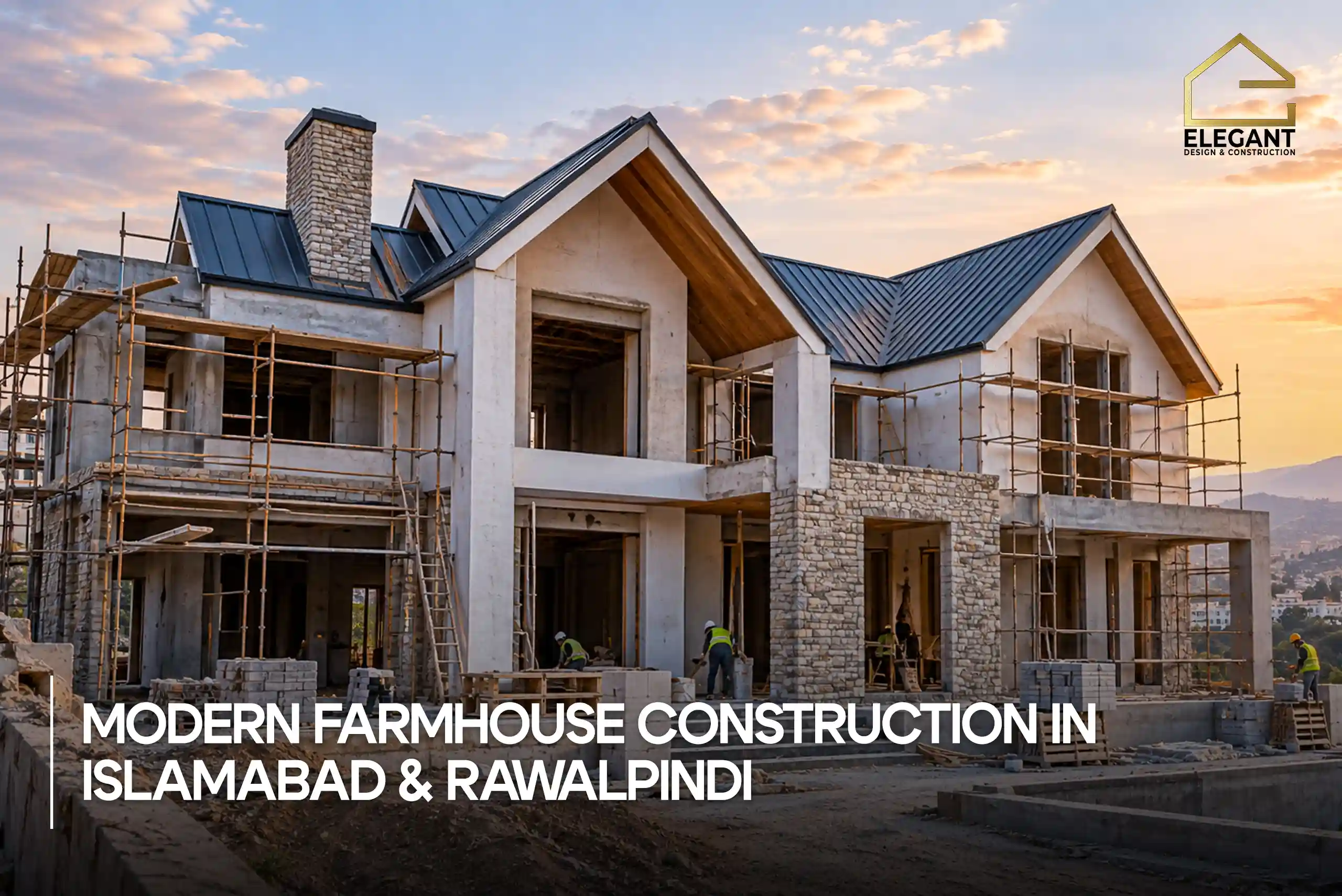
The commercial construction industry is undergoing a rapid transformation driven by advancements in technology, sustainability practices, and evolving consumer expectations.
By 2026, we can expect commercial buildings to be smarter, more energy-efficient, and constructed faster than ever before.
From the rise of smart buildings that optimize energy use to modular construction techniques that drastically reduce build times, the future of commercial construction is evolving at an unprecedented pace.
Moreover, sustainability will continue to be a key focus, with green building practices and energy-efficient designs becoming the industry standard.
Technologies like Artificial Intelligence (AI), Augmented Reality (AR), and robotics will also redefine how projects are planned, designed, and executed.
These innovations promise to address challenges such as labor shortages, cost overruns, and environmental concerns, shaping a new era of commercial construction.
Why Commercial Construction Will Look Different in 2026
In this guide, we will explain how these trends will impact the Commercial Construction industry and explore the key technologies and practices that will define the future of building.
1. Rise of Smart Buildings
Smart buildings are structures designed to optimize energy use, improve efficiency, and enhance occupant experience through the integration of connected technologies.
The core concept behind smart buildings is the use of sensors, automation, and data analytics to make real-time adjustments to environmental conditions, lighting, heating, cooling, and security systems.
These systems allow building managers to monitor and control various aspects of the building’s operation, ensuring that the building operates in the most efficient and sustainable way possible.
How Smart Buildings Impact Commercial Construction
In the Commercial Construction industry, smart buildings are becoming more common due to their ability to enhance energy efficiency, reduce operational costs, and improve occupant comfort.
The growing adoption of IoT (Internet of Things) technologies is driving this shift, enabling devices and systems to communicate with each other seamlessly.
Sensors are deployed throughout the building to monitor temperature, air quality, lighting levels, and occupancy.
This data is analyzed in real-time, allowing for automatic adjustments to optimize conditions.
For example, lighting systems in a smart building can be adjusted based on occupancy or daylight availability, ensuring that lights are only on when needed.
Similarly, HVAC (heating, ventilation, and air conditioning) systems can be optimized to reduce energy consumption while maintaining comfort levels.
Role of Automation in Smart Buildings
Automation plays a key role in smart buildings, as it helps reduce human intervention and ensures the building operates autonomously.
For example, a smart building can automatically adjust temperature settings, manage security systems, and even notify maintenance personnel of issues before they become serious problems.
This level of automation can result in significant cost savings, as it reduces the need for manual intervention and helps prevent expensive maintenance issues from arising.
Challenges and Opportunities for Commercial Construction
While the benefits of smart buildings are clear, their implementation comes with challenges.
The upfront cost of integrating smart technologies can be significant, and there may be concerns regarding the security of the data collected from the building’s sensors.
However, the long-term benefits such as energy savings, enhanced building performance, and improved tenant satisfaction far outweigh these challenges.
By 2026, the widespread adoption of smart building technologies will reshape the commercial construction industry, leading to more sustainable, efficient, and profitable buildings.
2. Sustainability and Green Building Practices
Sustainability is becoming a major priority in the commercial construction industry due to increasing environmental awareness, government regulations, and consumer demand for more eco-friendly buildings.
Sustainable buildings are designed with the goal of minimizing their environmental impact, both during construction and throughout their lifecycle.
This includes reducing energy consumption, minimizing waste, using sustainable materials, and enhancing overall building performance.
Key Sustainability Practices in Commercial Construction
Several sustainable practices are already transforming commercial construction, and by 2026, they will become standard in the industry. These practices include:
- Energy-Efficient Designs: Commercial buildings are increasingly designed to be energy-efficient, with features like high-performance windows, better insulation, and energy-efficient HVAC systems. These designs help reduce energy consumption and lower operating costs.
- Green Building Materials: Sustainable construction materials, such as recycled steel, bamboo, and low-emission paints, are being incorporated into new commercial buildings. These materials help reduce the environmental impact of construction while providing high-quality alternatives to traditional materials.
- Water Conservation: Many commercial buildings now incorporate water-saving systems, such as low-flow fixtures, rainwater harvesting, and efficient irrigation systems. These systems help reduce water consumption and lower utility costs.
- Waste Reduction: Sustainable construction practices also focus on minimizing waste during the building process. This includes using materials efficiently, recycling construction debris, and implementing waste diversion programs to reduce landfill waste.
Building Certifications and Regulations
Various certifications and standards, such as LEED (Leadership in Energy and Environmental Design) and BREEAM (Building Research Establishment Environmental Assessment Method), are driving the push for sustainability in commercial construction.
These certifications provide guidelines for building owners and developers to follow in order to achieve sustainability goals.
By 2026, more commercial buildings will be designed with these certifications in mind, ensuring that sustainability is at the forefront of new construction projects.
Challenges and Benefits of Sustainability
Adopting sustainable practices can be costly in the short term, with higher upfront costs for green materials and technologies.
However, the long-term savings through lower operational costs, tax incentives, and increased property value make sustainability a worthwhile investment.
As governments worldwide continue to implement stricter regulations on energy use and emissions, sustainability will become even more critical for developers and building owners.
3. Modular Construction: Speed and Efficiency
Modular construction involves the prefabrication of building sections off-site, which are then transported and assembled on-site.
This method contrasts with traditional construction, where the building is constructed entirely on-site.
Modular construction has gained popularity due to its ability to reduce build times, lower costs, and improve quality control.
The Speed Advantage
One of the most significant benefits of modular construction is speed.
Because building components are manufactured in a controlled factory environment, construction can occur simultaneously at the site and in the factory, dramatically reducing the overall project timeline.
For example, modular buildings can be constructed in weeks instead of months, allowing tenants to move in sooner and reducing the financial impact of construction delays.
Improved Efficiency and Quality Control
Modular construction offers higher efficiency and better quality control compared to traditional methods.
Since components are produced in a factory setting, they are subject to strict quality checks and can be built to precise specifications.
This leads to fewer mistakes and defects, which in turn reduces rework and waste.
Additionally, because modular construction minimizes the amount of work performed on-site, it reduces exposure to weather-related delays.
Cost Savings
While the initial cost of modular construction may be slightly higher than traditional methods, the overall cost of the project is typically lower.
This is due to faster construction times, reduced labor costs, and less material waste.
For commercial projects, where time is money, the cost savings associated with modular construction can make it a highly attractive option.
Limitations of Modular Construction
Despite its many advantages, modular construction has some limitations.
For example, the method may not be suitable for all types of buildings, particularly those with complex designs or custom requirements.
Additionally, modular construction requires a significant amount of coordination between the factory and the site, which can present logistical challenges.
However, as technology improves and the modular construction industry grows, these limitations will become less pronounced.
4. Augmented Reality (AR) and Virtual Reality (VR) in Design
Augmented Reality (AR) and Virtual Reality (VR) are becoming increasingly important tools in commercial construction, particularly in the design and planning stages.
These technologies allow architects, engineers, and clients to visualize buildings and spaces before construction begins, offering a more immersive and accurate understanding of the final product.
How AR and VR Improve Design and Collaboration
AR and VR technologies help improve collaboration between all parties involved in a construction project.
With AR, architects can overlay digital information onto the physical world, allowing for real-time design adjustments.
VR allows stakeholders to walk through 3D models of buildings and spaces, providing a sense of scale and context that is impossible to achieve with traditional 2D plans.
These technologies also make it easier to identify potential design flaws before construction begins.
By immersing stakeholders in a virtual environment, they can spot issues related to layout, space utilization, and functionality, leading to better decision-making and fewer costly revisions during the construction phase.
Streamlining the Construction Process
AR and VR also streamline the construction process by providing detailed, accurate models that can be used by contractors and construction teams.
These models allow for more precise measurements and help reduce errors during construction.
In addition, AR and VR technologies can be used for virtual site visits, making it easier for project managers and stakeholders to assess conditions before breaking ground.
Future of AR and VR in Construction
By 2026, AR and VR will become integral tools for commercial construction.
As these technologies continue to evolve, their applications will expand beyond design and planning to include on-site construction monitoring, project management, and even worker training.
5. Robotics and Automation in Construction
Robotics is already making waves in the construction industry, with machines performing tasks such as bricklaying, concrete pouring, and site surveying.
By 2026, robotics will play an even larger role in construction projects, particularly in tasks that are repetitive, dangerous, or labor-intensive.
How Robotics Improve Efficiency
Robots can work tirelessly around the clock, improving efficiency and reducing the need for human labor.
For example, robots can be used to lay bricks much faster than human workers, allowing for quicker construction times.
Similarly, autonomous vehicles can be used to transport materials around construction sites, reducing the need for manual labor and increasing productivity.
Safety Benefits of Robotics
Robots also improve safety on construction sites by taking over dangerous tasks.
For example, drones can be used to inspect hard-to-reach areas, while robots can be deployed in hazardous environments, such as areas with high levels of toxic chemicals or extreme temperatures.
This reduces the risk of injuries and accidents on the job site.
Limitations of Robotics in Construction
While robotics has the potential to revolutionize construction, there are still challenges to overcome.
Robots are expensive to develop and maintain, and they require specialized knowledge to operate.
Additionally, robots are not yet capable of performing all tasks required on a construction site.
However, as technology continues to advance, robots will become more versatile and cost-effective, making them an increasingly valuable tool for commercial construction.
6. Workforce Changes: The Role of AI and Automation
Artificial intelligence (AI) is transforming the way construction projects are managed.
AI can be used to automate repetitive tasks, analyze large datasets, and assist with decision-making.
By 2026, AI will play an even greater role in optimizing construction workflows, from design and planning to project management and delivery.
How AI Improves Construction Efficiency
AI can be used to analyze project data, such as timelines, budgets, and resource allocation, to help construction managers make better decisions.
AI-powered tools can predict potential delays, identify cost-saving opportunities, and optimize workflows to ensure projects stay on track.
AI can also help improve safety by analyzing construction site data to identify potential hazards before they become major issues.
Automation and Its Impact on the Workforce
Automation, driven by AI and robotics, will also change the way construction work is performed.
Many tasks that are currently done manually, such as material handling, site inspections, and data analysis, will be automated, reducing the need for human labor.
While this may lead to job displacement in some areas, it will also create new opportunities for workers with the skills to operate and maintain automated systems.
Future of the Construction Workforce
As AI and automation become more prevalent in the construction industry, the workforce will need to adapt.
Construction workers will need to develop new skills to work alongside machines and AI systems.
This shift will require ongoing training and education to ensure that workers are equipped to handle the demands of an increasingly automated industry.
Conclusion
In conclusion, the commercial construction industry is on the brink of a major transformation, driven by technological advancements, sustainability goals, and the increasing demand for efficiency and speed.
By 2026, we can expect to see smarter, greener, and more efficient buildings thanks to innovations like smart technologies, modular construction, robotics, and AI.
Sustainability will no longer be an option but a standard practice, with green materials and energy-efficient designs becoming integral to every project.
Modular construction will streamline processes, reducing build times and costs, while augmented and virtual reality will change how designs are visualized and shared.
Additionally, the growing use of robotics and automation will improve safety, productivity, and reduce human error.
As the industry continues to evolve, the workforce will adapt to these new tools and methods, requiring ongoing training and development.
The future of commercial construction is not just about building structures; it’s about creating smarter, more sustainable environments that can better serve their occupants and contribute positively to the planet.
By embracing these changes, the industry will be well-positioned for success in 2026 and beyond.