
Building a home begins with excitement, but the moment construction starts, grey structure costs often create stress and confusion.
Many homeowners expect a fixed figure, yet expenses keep changing as work progresses.
This happens because grey structure construction depends on multiple technical, financial, and market-driven factors that most people overlook at the planning stage.
From soil conditions to steel rates, every decision directly affects the final cost. When these elements are not understood early, budgets stretch, timelines slip, and trust breaks.
However, with the right knowledge, you can control costs without compromising structural strength or safety.
Understanding how each factor influences construction helps you make informed choices, avoid surprises, and build with confidence rather than fear.
Factors that affect grey structure construction cost
In this guide, we will explain the key factors that affect grey structure construction cost and how each one influences your overall budget.
What Is Grey Structure Construction?
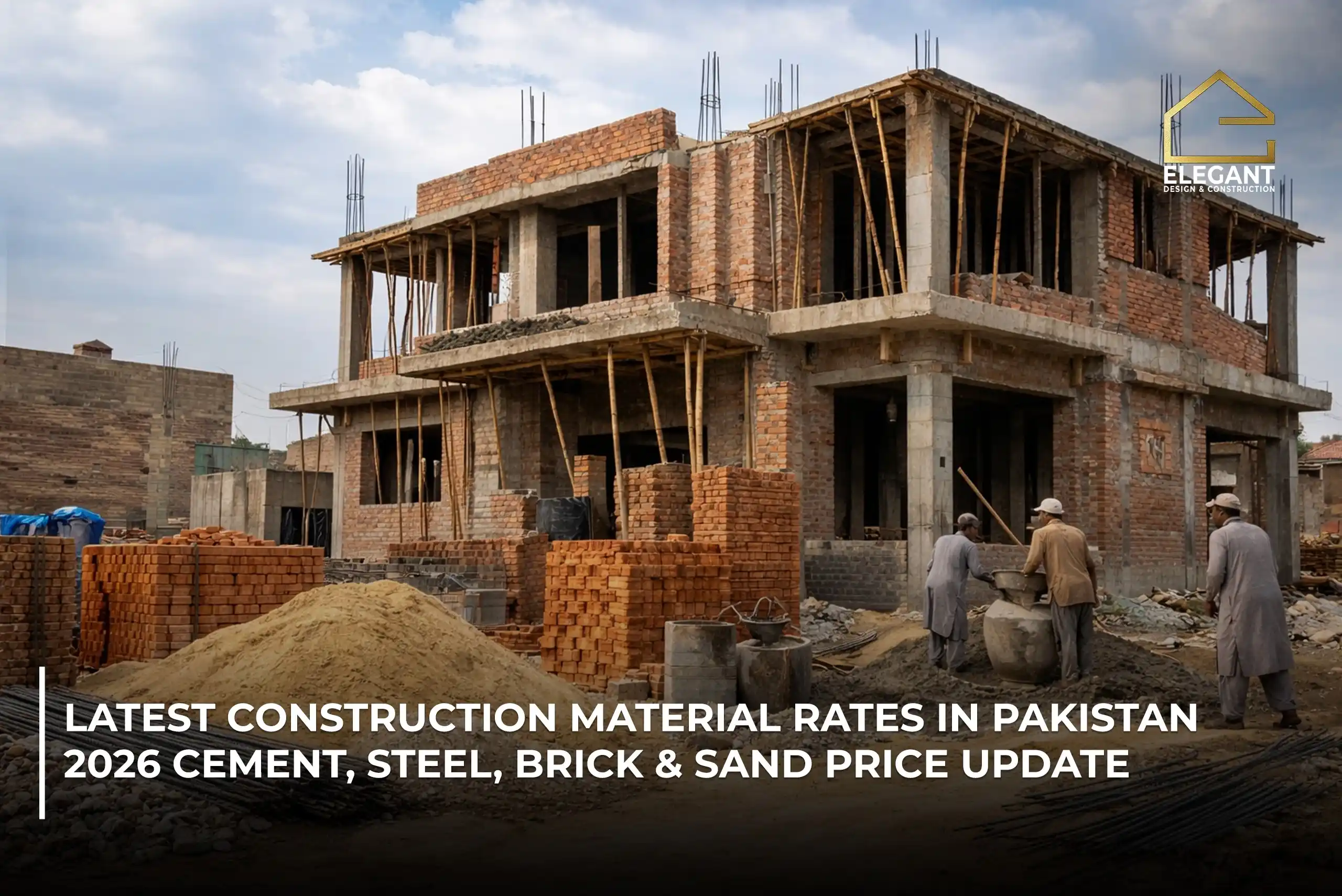
Grey Structure Construction refers to the structural skeleton of a building. It includes all load-bearing and permanent components that give the building its strength and shape.
This stage comes after excavation and ends before finishing work begins.
Grey structure typically includes foundations, columns, beams, slabs, brick masonry, plaster, staircases, and the roof slab. It may also include underground water tanks and basic sewerage lines.
It does not include tiles, paint, woodwork, electrical fittings, plumbing fixtures, ceilings, or elevation finishes.
This stage usually consumes 55–65% of the total construction budget. Any mistake here is costly and difficult to fix later. That is why understanding grey structure costs is essential before starting construction.
Plot Size and Covered Area (Cost Starts Here)
The covered area is the primary factor that determines grey structure cost. It defines how much material, labor, and time the project will require.
A larger covered area means more excavation, more concrete, more steel, and more brickwork. Even small increases in covered area can raise the total cost significantly.
For example, extending a room or adding a store room may look minor but can increase the overall grey structure cost by several lakhs.
Multi-storey construction further increases cost because upper floors require additional beams, columns, slabs, and reinforcement.
Basements raise costs even more due to excavation depth, waterproofing, and stronger structural requirements.
To control costs, finalize the layout early and avoid unnecessary covered space.
Soil Type and Ground Conditions (Hidden but Critical)
Soil conditions directly affect foundation design, which in turn affects cost. This factor is often ignored but has a major financial impact.
Hard soil with good bearing capacity allows shallow foundations, which require less concrete and steel. Soft soil, filled land, or water-logged ground needs deeper foundations, raft foundations, or piling, all of which increase cost.
Poor soil conditions can raise foundation expenses by 15–30%. In extreme cases, they may also slow construction due to dewatering or soil treatment requirements.
A soil investigation report helps engineers design an efficient foundation and prevents over-design or unsafe construction.
Foundation Type and Structural Design
Foundation type depends on soil conditions, building load, and future expansion plans. Each foundation type has a different cost impact.
Simple isolated footings are the most economical. Raft foundations cost more because they use more concrete and steel. Pile foundations are the most expensive and are used only when soil conditions demand them.
Structural design also affects cost. Buildings designed for future floors require stronger foundations, thicker columns, and higher steel consumption from the start. Earthquake-resistant designs also increase reinforcement quantity.
Well-calculated structural design balances safety and economy. Poor design either risks failure or wastes money through excessive materials.
Steel Rates and Consumption (The Biggest Cost Variable)
Steel is the largest cost component of grey structure construction. Both its price and quantity significantly affect the budget.
Steel consumption depends on building height, structural design, and spans. Taller buildings, basements, and cantilevered areas require more reinforcement. Poor design or lack of supervision often leads to unnecessary steel usage.
Steel prices fluctuate due to fuel costs, imports, and market demand. Even a small price increase per kilogram can add a large amount to the total cost.
To control this factor, follow approved structural drawings strictly and purchase steel strategically rather than in small, unplanned batches.
Cement Quality, Brand, and Usage Rate
Cement is the second major contributor to grey structure cost. It is used in concrete, masonry, plaster, and foundations.
Different cement brands vary slightly in price, but quality matters more than small savings. Low-quality cement may reduce strength and durability, leading to cracks and long-term structural issues.
Cement consumption depends on mix design and workmanship. Poor mixing ratios, excessive plaster thickness, and material wastage increase usage unnecessarily.
Using correct mix ratios and skilled labor ensures strength while keeping cement consumption within reasonable limits.
Bricks, Blocks, and Masonry Choice
Wall construction affects both material and labor costs. The type of masonry material selected plays an important role.
Traditional clay bricks are widely used but vary in quality and price. Concrete blocks may reduce labor time but require proper jointing and plastering. Poor-quality bricks increase breakage and waste.
Wall thickness also affects cost. Load-bearing walls, boundary walls, and internal partitions all consume materials differently. Overbuilding walls without structural need adds cost without benefit.
Choosing appropriate masonry materials and wall thickness improves cost efficiency without compromising strength.
Labor Rates and Workforce Skill Level
Labor cost typically accounts for 18–25% of grey structure expenses. However, skill level matters more than hourly rates.
Skilled labor works faster, follows drawings accurately, and reduces rework. Unskilled labor may appear cheaper but often increases material wastage and causes structural mistakes that require correction.
Labor rates vary by city, season, and availability. Shortage of skilled workers can delay projects and increase costs indirectly.
Hiring experienced contractors and maintaining proper supervision helps control both labor cost and construction quality.
Construction Location and Accessibility
Project location affects cost through transportation, logistics, and efficiency.
Sites in congested areas increase labor time because material handling becomes manual. Narrow streets restrict machinery access and slow down concrete pouring and steel placement.
Remote locations increase transportation costs for materials and workers. Fuel prices directly affect delivery charges.
Easy site access reduces delays, improves productivity, and lowers overall construction cost.
Design Complexity and Architectural Decisions
Simple designs are cost-effective. Complex designs increase cost at every stage of grey structure construction.
Long spans require deeper beams and more steel. Curves, offsets, and irregular layouts complicate shuttering and increase labor hours.
Cantilevers and projections add reinforcement and concrete volume.
Architectural planning that aligns with structural efficiency reduces unnecessary elements. A well-coordinated design between architect and structural engineer saves both money and time.
Construction Method and Project Management
How construction is managed directly affects cost control.
Poor project management leads to material theft, over-ordering, idle labor, and delays. Each delay exposes the project to price increases and additional labor costs.
Organized construction follows a schedule, tracks material usage, and ensures timely procurement. Supervision prevents deviations from drawings and wastage.
Even without changing materials, good management alone can reduce grey structure cost by 8–12%.
Market Conditions and Inflation
Construction costs are influenced by external economic factors. Inflation, fuel prices, currency changes, and supply disruptions affect material rates.
Steel and cement prices may rise suddenly, increasing project cost mid-construction. Seasonal demand also affects labor and material availability.
Planning purchases, avoiding unnecessary delays, and keeping contingency reserves help manage these risks.
Compliance, Codes, and Safety Requirements
Local building regulations and safety codes influence structural design and material quantities.
Requirements for earthquake resistance, setbacks, and load capacity may increase steel and concrete usage. Ignoring these rules can lead to penalties, demolition risks, or unsafe structures.
Compliance ensures safety, legal approval, and long-term property value. The additional cost at this stage is an investment, not a loss.
Estimated Grey Structure Cost Breakdown (2026)
| Component | Approximate Share |
|---|---|
| Steel | 28–32% |
| Cement | 18–22% |
| Bricks / Blocks | 12–15% |
| Labor | 18–25% |
| Foundation & Excavation | 8–12% |
| Miscellaneous | 3–5% |
These percentages vary based on design, location, and market conditions.
How to Control Grey Structure Construction Cost
Cost control starts before construction begins.
Finalize drawings early and avoid design changes during execution. Conduct soil testing and structural planning properly.
Hire skilled labor and experienced supervision. Track material usage daily and prevent wastage. Purchase materials in planned stages to reduce price risk.
Most importantly, focus on planning, not shortcuts. Strong planning reduces surprises, protects your budget, and ensures a safe, durable structure.
Conclusion
Grey structure construction is the foundation of your entire building, both structurally and financially.
Every factor discussed from soil conditions and foundation design to steel rates, labor quality, and market fluctuations plays a direct role in shaping the final cost.
When these elements are ignored or misunderstood, construction budgets often exceed expectations, leading to stress, delays, and compromised quality.
However, when you approach grey structure construction with proper planning, technical understanding, and active supervision, cost control becomes achievable.
The key is not cutting corners, but making informed decisions at the right time.
Early soil testing, finalized drawings, efficient structural design, skilled labor, and disciplined material management can prevent unnecessary expenses.
External factors like inflation and location may be beyond control, but their impact can be reduced through smart scheduling and procurement.
A well-executed grey structure ensures safety, durability, and long-term value for your property.
By understanding how costs are formed and where savings are possible, you build with confidence, clarity, and control laying a strong base for everything that follows.