Interior development often looks simple on paper. In reality, it is one of the most detail-sensitive phases of any construction or renovation project.
Many projects fail at the finishing stage due to poor sequencing, rushed execution, or lack of technical understanding.
These mistakes lead to visible defects, early wear, higher maintenance costs, and client dissatisfaction. Finishing stages are not about decoration alone.
They determine durability, comfort, safety, and how a space feels every day. From surface preparation to final detailing, each step builds on the previous one.
When one stage is ignored, the entire interior suffers. A well-finished interior reflects discipline, planning, and respect for the user.
Understanding these stages helps homeowners, developers, and professionals make better decisions and avoid costly errors.
Finishing stages involved in interior development
In this guide, we will explain the Complete Finishing stages involved in interior development and why each stage matters.
Why Interior Finishing Stages Matter More Than Design Alone
Interior design creates expectations. Interior finishing delivers reality. Many interiors look impressive in drawings but fail in daily use because finishing stages were rushed or poorly coordinated.
Finishing is where durability, comfort, safety, and visual quality come together. Even premium materials lose value if installed incorrectly.
Cracks, uneven surfaces, misaligned fixtures, and early wear are almost always finishing-related issues.
Finishing stages also affect long-term maintenance costs. A poorly finished interior demands frequent repairs, repainting, and replacements.
On the other hand, a well-finished space performs better for years with minimal upkeep.
That is why professionals treat finishing as a technical process, not a decorative afterthought.
Every stage must follow the correct order, standards, and quality checks to protect the original design intent.
Surface Preparation: The Foundation of All Finishing Work
Surface preparation is the most critical stage in interior development. Every finish applied later depends on the quality of this step.
Walls, ceilings, and floors must be inspected for cracks, unevenness, moisture, and loose plaster.
Ignoring surface defects leads to peeling paint, tile failure, and visible imperfections.
After inspection, rectification begins. Cracks are filled using suitable compounds. Uneven areas are levelled. Moisture-prone zones receive sealing treatments.
Wall putty or skim coats smooth the surface and improve adhesion for paints or wall coverings. This stage demands patience.
Rushing surface preparation shortens the life of all finishes applied afterward. Proper drying time between coats is also essential to prevent future defects.
Flooring Installation: Setting the Visual Base
Flooring defines how a space feels underfoot and visually anchors the entire interior. Before installing any flooring material, the subfloor must be level, dry, and clean.
Moisture testing is essential, especially for wooden and vinyl floors. Excess moisture causes expansion, warping, or adhesive failure.
Different flooring types require different installation methods. Tiles need proper adhesive coverage and consistent joint spacing.
Wooden flooring requires expansion gaps to allow natural movement. Vinyl flooring needs a perfectly smooth base to avoid telegraphing imperfections.
Skirting and edge details complete the flooring system and protect wall edges. When flooring is installed correctly, it enhances comfort, durability, and overall visual balance.
Ceiling Works: Defining Height and Acoustics
Ceiling finishes influence lighting quality, acoustics, and spatial perception.
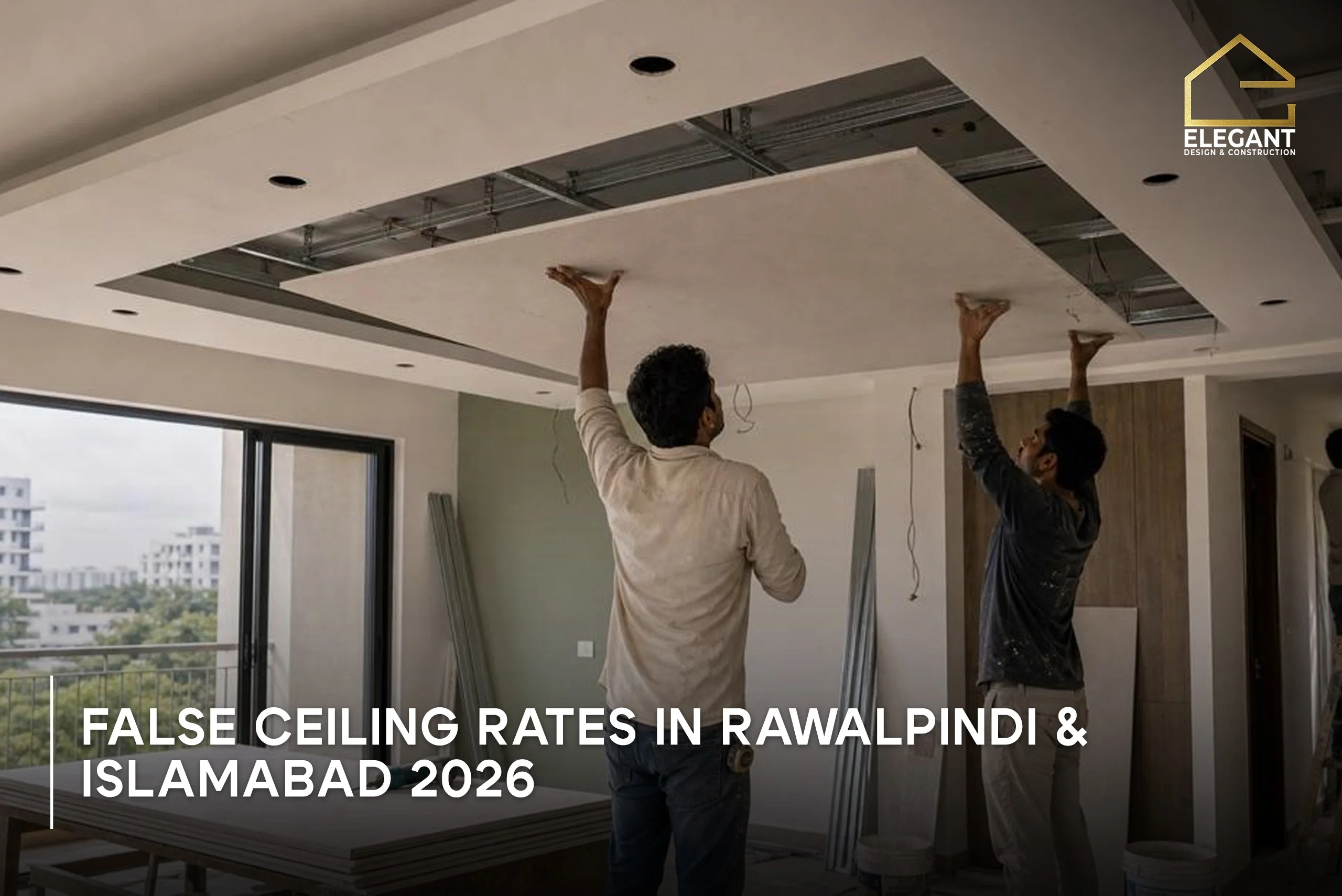
False ceilings must follow accurate level markings to maintain uniform height across the space.
Metal framing systems need proper anchoring to prevent sagging or vibrations over time.
Gypsum boards or other ceiling panels are fixed securely and jointed carefully. Joint treatment is done in multiple layers to hide seams and prevent cracking.
Access panels are provided for maintenance of electrical or mechanical systems above the ceiling.
Proper ceiling finishing improves sound control, hides services neatly, and enhances the overall interior atmosphere.
Electrical and Lighting Finishes: Where Safety Meets Atmosphere
Electrical finishing combines technical safety with visual impact.
Before installing switches, sockets, and fixtures, all wiring must be tested for insulation resistance and load balance.
Faulty electrical finishing creates serious safety risks and future failures.
Switch plates, outlets, and panels should align perfectly with wall finishes.
Lighting fixtures must be installed according to layout plans to maintain symmetry and proper illumination levels.
Glare control, beam direction, and color temperature are considered at this stage.
Clean electrical finishing ensures safe operation, ease of use, and a comfortable lighting environment.
Plumbing and Sanitary Finishing: Function Without Failure
Plumbing finishing focuses on reliability and hygiene. All concealed pipes are pressure-tested before final closure.
This step prevents hidden leaks that cause long-term damage to walls and floors. Sanitary fixtures are installed only after wall and floor finishes are complete.
Washbasins, toilets, faucets, and showers must align correctly and be sealed properly to prevent water seepage.
Drainage slopes are checked to ensure smooth water flow. Good plumbing finishing delivers silent operation, clean appearance, and dependable performance.
Poor plumbing finishing almost always leads to complaints and costly repairs.
Carpentry and Joinery Works: Precision Over Appearance
Carpentry defines usability and craftsmanship. Doors, cabinets, wardrobes, and panels must be measured accurately before fabrication.
Even small measurement errors affect alignment and operation. Joinery installation follows strict tolerance limits to maintain smooth movement and clean gaps.
Hardware such as hinges, handles, drawer channels, and locks must be calibrated after installation. Soft-close mechanisms are adjusted to avoid impact damage.
Surface finishes on wood elements should remain protected until final cleaning. Quality carpentry finishing improves daily comfort and extends the lifespan of interior fittings.
Painting and Wall Finishes: The Most Visible Stage
Painting is often mistaken as a simple task, but it exposes every underlying defect.
Primer selection depends on surface type and condition. Proper priming improves adhesion, color consistency, and finish durability.
Paint is applied in controlled coats with sufficient drying time between layers. Brush, roller, or spray methods are chosen based on finish requirements.
Wall finishes such as wallpapers or textured coatings demand precise alignment and clean edges.
High-quality painting work delivers smooth surfaces, consistent color, and long-lasting protection.
Glass, Mirrors, and Metal Works: Precision Finishing Elements
Glass and metal elements add light, reflection, and structure to interiors. Their installation requires accuracy and safety compliance.
Glass panels must be properly supported, aligned, and sealed. Edges are polished to reduce injury risk and prevent chipping.
Metal elements such as railings, trims, and fixtures require corrosion protection and clean joints. Fasteners should remain hidden wherever possible.
Poor installation leads to rattling, rusting, or visual imbalance. Precision in this stage enhances both aesthetics and long-term performance.
Soft Furnishing and Interior Styling Integration
Soft furnishings bring warmth and usability to interior spaces. Curtains, blinds, rugs, and upholstery are installed after major construction work is complete.
Track systems must align perfectly to ensure smooth operation and proper draping.
Furniture placement follows circulation guidelines to maintain comfort and accessibility.
Clear walkways, door swings, and functional zones are respected. Styling should support daily use rather than restrict it.
Thoughtful integration of soft elements improves comfort without overwhelming the space.
Final Detailing and Snag Resolution
Final detailing is where professionals prove their discipline. A snag list identifies minor defects such as paint touch-ups, alignment issues, and unfinished edges.
Each item is corrected systematically before handover.
Sealants are checked, fixtures are tightened, and moving parts are tested. Protective coverings are removed only after all corrections are complete.
This stage ensures the interior meets expected quality standards and feels complete, not rushed.
Quality Checks and Handover Documentation
Quality checks verify that all systems perform as intended. Electrical, plumbing, lighting, and mechanical systems are tested together.
Finishes are inspected under proper lighting conditions to catch imperfections.
Handover documentation includes warranties, manuals, drawings, and maintenance guidelines.
Clients receive clear instructions on usage and care. Proper documentation protects both users and service providers while supporting long-term satisfaction.
Post-Completion Review: The Overlooked Final Stage
Interior development does not truly end at handover. The post-completion review period allows observation of how finishes perform under real use.
Minor adjustments or corrections may be required as materials settle.
This stage strengthens trust and improves future project outcomes. Regular follow-up ensures that the interior continues to function as intended.
Long-lasting interiors result from continuous attention, not one-time execution.
Conclusion
Interior finishing stages define how a space performs, not just how it looks.
Every step, from surface preparation to post-completion review, plays a direct role in durability, comfort, safety, and user satisfaction.
When these stages follow the correct sequence and quality standards, the interior remains functional and visually stable for years.
When they are rushed or ignored, problems appear quickly and costs increase over time.
Finishing is not a single task but a coordinated process where each trade depends on the accuracy of the previous one.
Understanding these stages helps homeowners, developers, and professionals make informed decisions, control risks, and protect their investment.
A well-finished interior supports daily life, reduces maintenance, and reflects professionalism.
Ultimately, successful interior development is not achieved by design alone but by disciplined execution at every finishing stage.
When finishing is handled with care, the space delivers long-term value, comfort, and confidence.